
The 7–12 age range is the "Wild West" of kids' media: they’ve officially outgrown the gentle lessons of preschool TV, but they aren't quite ready for the cynical, high-stakes drama of teen programming. Finding shows that respect their growing intelligence without throwing them into the deep end of mature content is the goal, and this specific list of five hits that sweet spot perfectly.
TL;DR: The 7–12 set needs shows that balance high-stakes storytelling with genuine curiosity. Avatar: The Last Airbender offers an epic narrative on par with any adult drama, while Phineas and Ferb and Wild Kratts fuel the creative and scientific "builder" phase of elementary school. For real-world literacy, Operation Ouch and El Deafo provide authentic, non-condescending looks at biology and social navigation.
When kids hit second or third grade, they start craving "the lore." They want stories that matter, characters who change, and stakes that feel real.
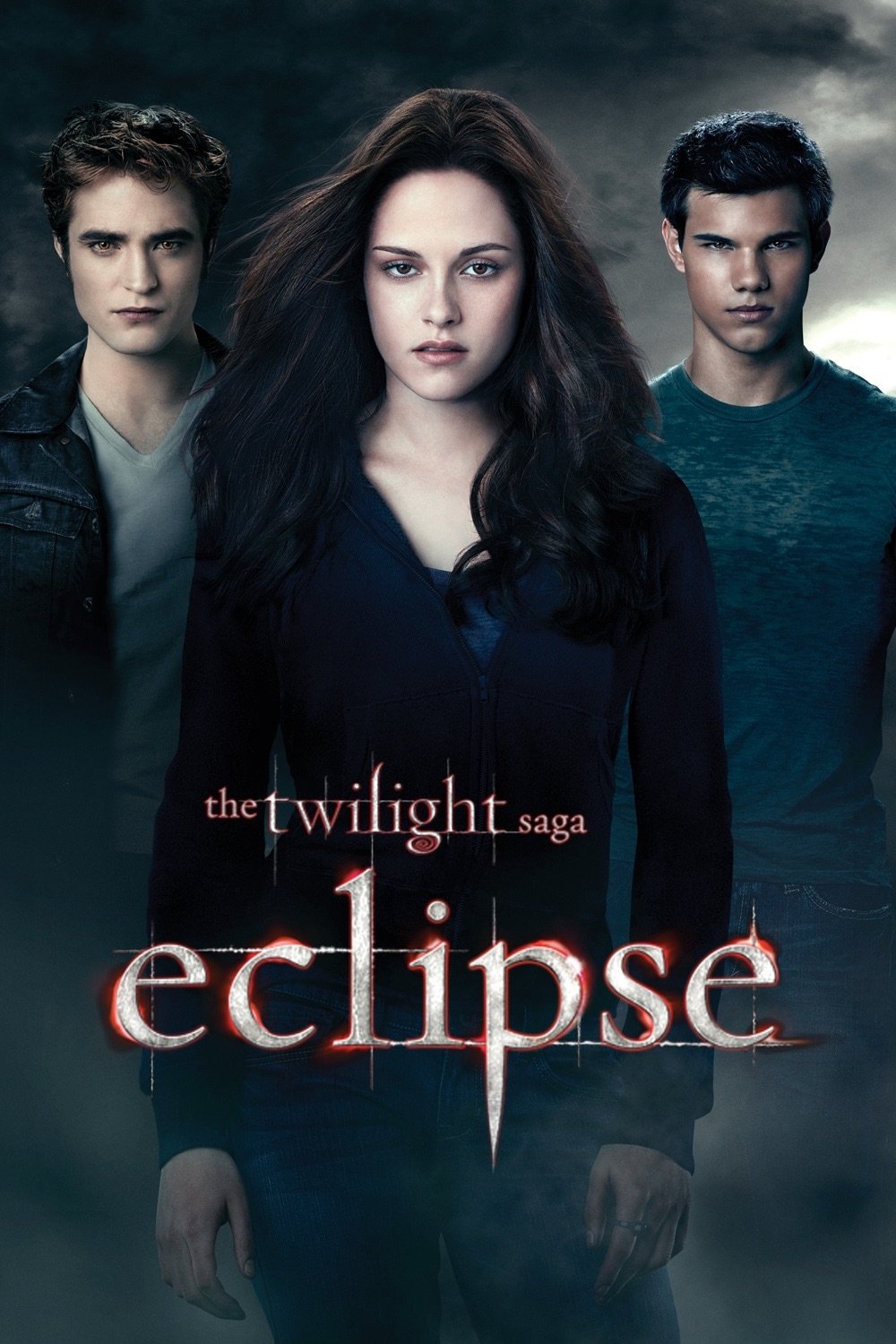
If you only watch one "kids' show" with your child, make it this one. It’s the gold standard for a reason. With a WISE score of 93/100, it’s not just safe; it’s enriching in a way few shows manage. It tackles war, imperialism, and loss, but handles them with a maturity that respects the audience.
The real draw here for the 7–12 set is the character development. Zuko’s redemption arc is widely considered one of the best in television history—period. It’s a great entry point for talking about whether people can actually change and what it means to do the right thing when your family is doing the wrong thing. Just a heads-up: the villains can be genuinely menacing. If your kid is on the sensitive side, watch the first few episodes of Book One together to gauge how they handle the "fire nation" vibes.
By age 7, kids are usually done with "talking trucks" explaining gravity. They want the real stuff—the gross facts, the weird animals, and the "how things work" of the world.
This is the perfect "graduation" show for kids who grew up on animal documentaries but want more action. The Kratt brothers have been the face of wildlife education for decades, and their enthusiasm hasn't dipped. They use "Creature Power" suits to showcase specific biological traits (like the grip of a gecko or the sonar of a bat). It’s basically The Magic School Bus meets National Geographic. It hits a WISE score of 90/100, largely because it makes zoology feel like an adventure rather than a lecture.
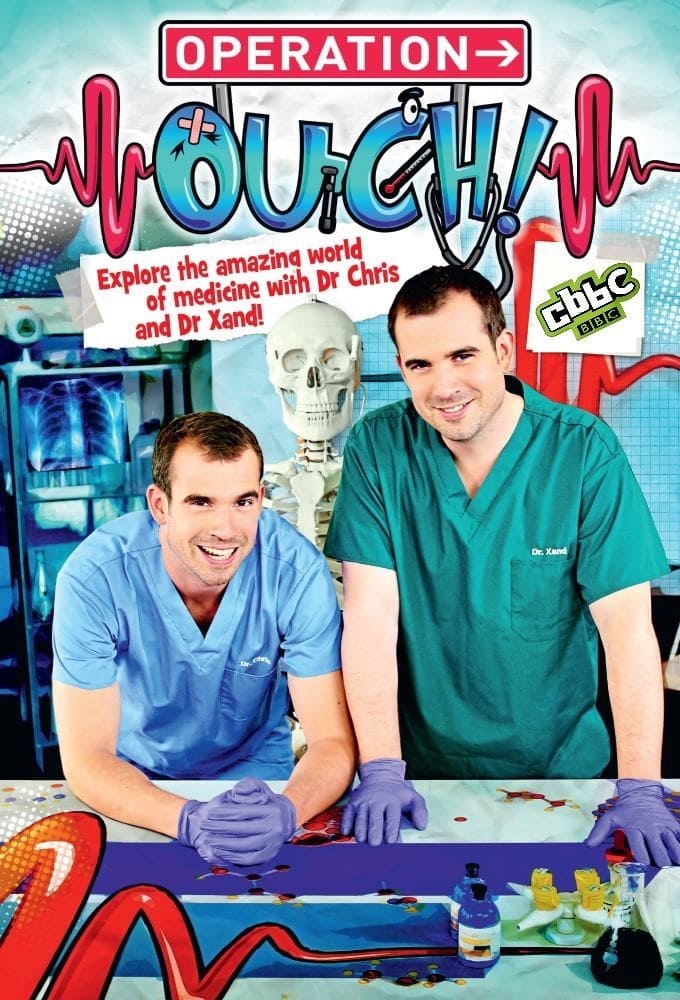
If your kid is past the squeamish phase, this British gem is a must. Twin doctors Chris and Xand van Tulleken explain the human body by showing actual ER procedures. It’s incredibly high on the Enriching scale (98/100) because it de-mystifies the hospital.
The Squeam Factor is real here. You will see real blood, real stitches, and real broken bones on X-rays. For a 7-year-old who’s curious about how their body works, it’s fascinating. For a kid who faints at a papercut, maybe skip it. But for most in this age bracket, the "gross-out" factor is exactly why they’ll stay tuned. It builds massive medical literacy and can actually lower anxiety about the doctor because they finally understand what’s happening behind the curtain.
The middle years are also when kids start obsessing over their own projects and navigating more complex social hierarchies.
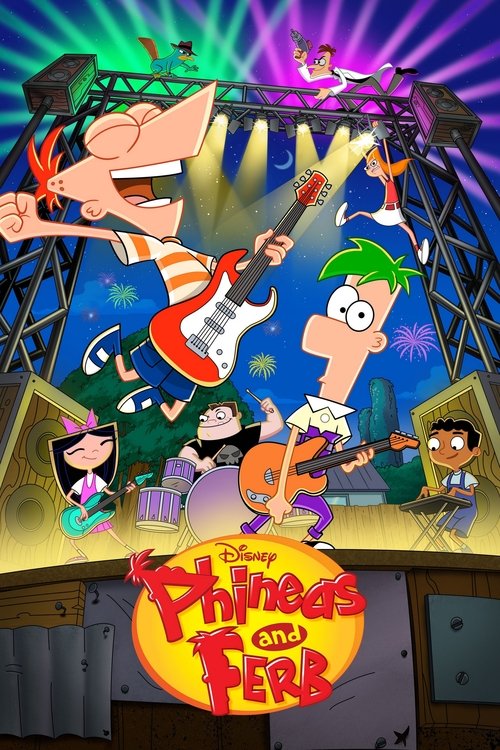
This show is a masterclass in absurdist humor and STEM-adjacent thinking. Every episode follows the same formula: the brothers build something impossible, their sister Candace tries to "bust" them, and their pet platypus fights a mad scientist.
What makes it work for the 7–12 set is the optimism. Phineas and Ferb are never "too cool" to build something. They have one of the healthiest sibling relationships in media—they genuinely like each other and work together. It’s a great antidote to the "mean sibling" trope that starts to creep into a lot of middle-grade shows. With an Imaginative score of 96/100, it’s pure creative fuel.
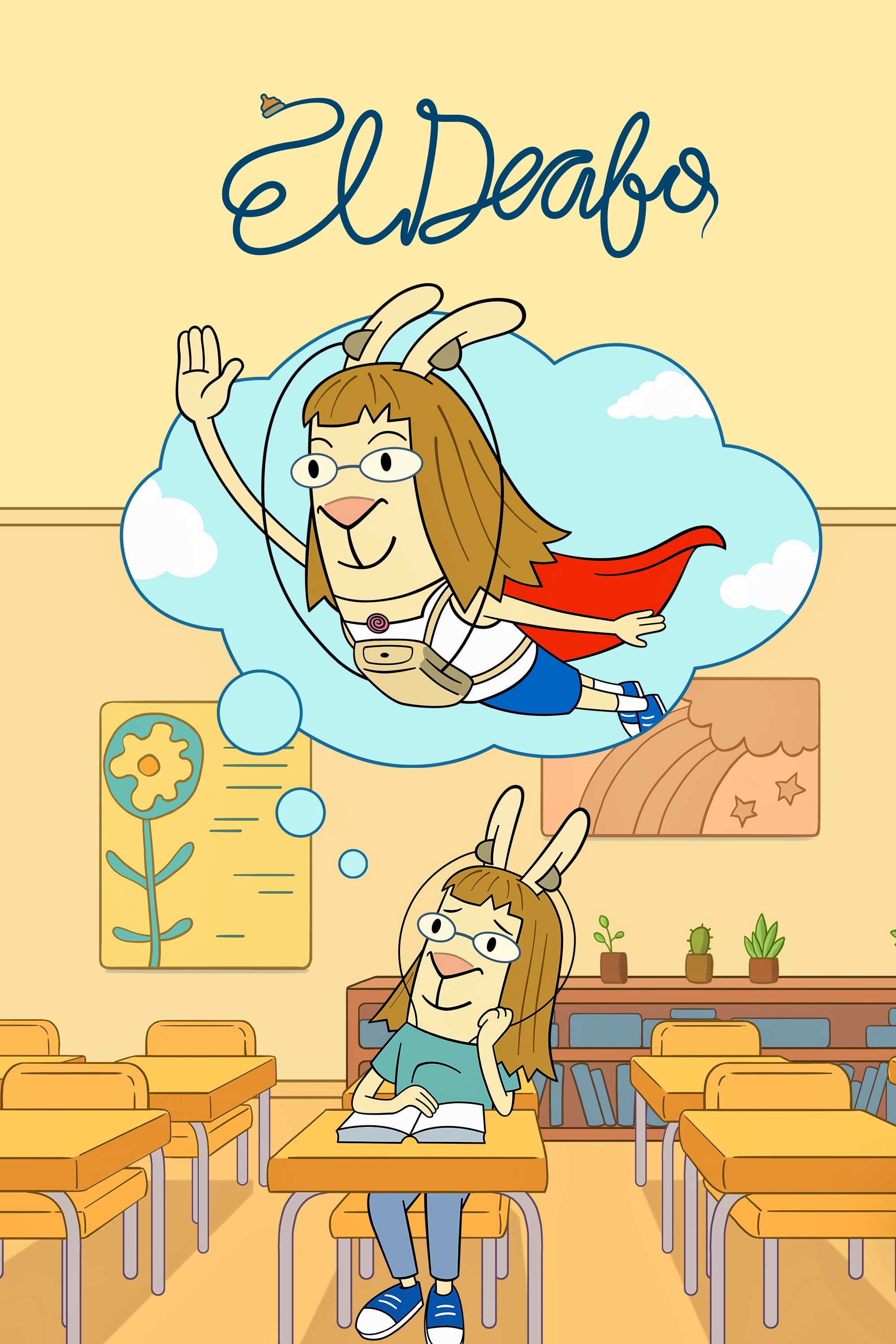
Based on Cece Bell’s graphic novel, this three-part special is essential viewing for the upper end of this age bracket. It deals with the "cringe" of middle school and the specific experience of navigating hearing loss with a "superpower" framing.
It’s authentic representation that avoids the "special episode" feel. It captures the social exclusion and the "mean girl" dynamics that start to peak around ages 9–11. It’s a short watch, but it’s the kind of show that sticks with a kid and gives them a vocabulary for talking about their own differences—or understanding their classmates'.
The 7–12 years are when you move from "monitoring" to "mentoring." You aren't just checking for bad words; you’re helping them parse complex themes.
- Ask about the "why": For Avatar, ask them why they think a character made a specific choice. For Phineas and Ferb, ask what they’d build if they had a backyard and an unlimited budget.
- Lean into the gross-out science: If they love Operation Ouch, they’re ready for more "how-it-works" content. This is the prime age to introduce YouTube channels for science or deeper podcasts for kids.
- Co-watch the "heavy" stuff: Don't just hand them the remote for Avatar or El Deafo. These shows are genuinely good enough for adults to enjoy, and watching together means you’re there when the big emotional beats land.

Q: Is Avatar: The Last Airbender too violent for a 7-year-old? It’s "martial arts" violence—lots of elemental magic (fire, water, earth, air) but very little direct physical impact and zero gore. The emotional weight (genocide, loss of parents) is actually the heavier part. If your kid can handle the Harry Potter movies, they can handle this.
Q: My kid is squeamish; should we skip Operation Ouch? If they have a genuine phobia of needles or blood, yes. But if they’re just "ew, gross" about it, try one episode. The doctors are very reassuring and explain why things look the way they do, which often turns the "gross" into "cool."
Q: What's the best show for a kid who's starting to find everything "babyish"? Start with Phineas and Ferb. The humor is fast-paced and leans into the "we’re too young to be doing this, but we’re doing it anyway" vibe that appeals to kids who want to feel older than they are.
The 7–12 years are about expanding horizons. This list moves them from the "safety" of preschool themes into the "adventure" of the real world—whether that’s through elemental magic, creature powers, or real-life medicine.
Next Steps
- Check out the full digital guide for elementary school for more age-appropriate picks.
- Explore our best shows for kids list to see how these stack up against the all-time greats.
- If your kid is a "builder" type, look into our best games for kids for titles that mirror the creativity of Phineas and Ferb.