

If your kid says they hate reading, they don't actually hate stories—they hate the friction. Usually, "I hate reading" is code for "this feels like work," "the font is too small," or "I don't see the point of staring at a wall of text when I could be doing literally anything else." To break the cycle, you have to stop handing them the "classics" and start handing them the hooks.
The goal isn't to force them through a 300-page slog; it's to build the "reading is fun" muscle so they eventually want to tackle the slog. This list is the emergency kit for that transition. It’s heavy on visuals, high on humor, and low on the kind of academic pressure that makes kids shut down.
TL;DR
To rescue a reluctant reader, swap the "wall of text" for high-engagement hybrids like The Cartoonists Club or the science-meets-magic world of Zoey And Sassafras. These picks use graphic elements and meta-humor to lower the barrier to entry while still building essential literacy skills. If they’re still resisting, move from consuming to creating with a Blank Comic Book Panel Journal.
For a lot of kids, the jump from picture books to middle-grade novels feels like hitting a brick wall. Graphic novels aren't "cheating"—they’re the bridge. They teach visual literacy, pacing, and dialogue in ways a standard novel can't.
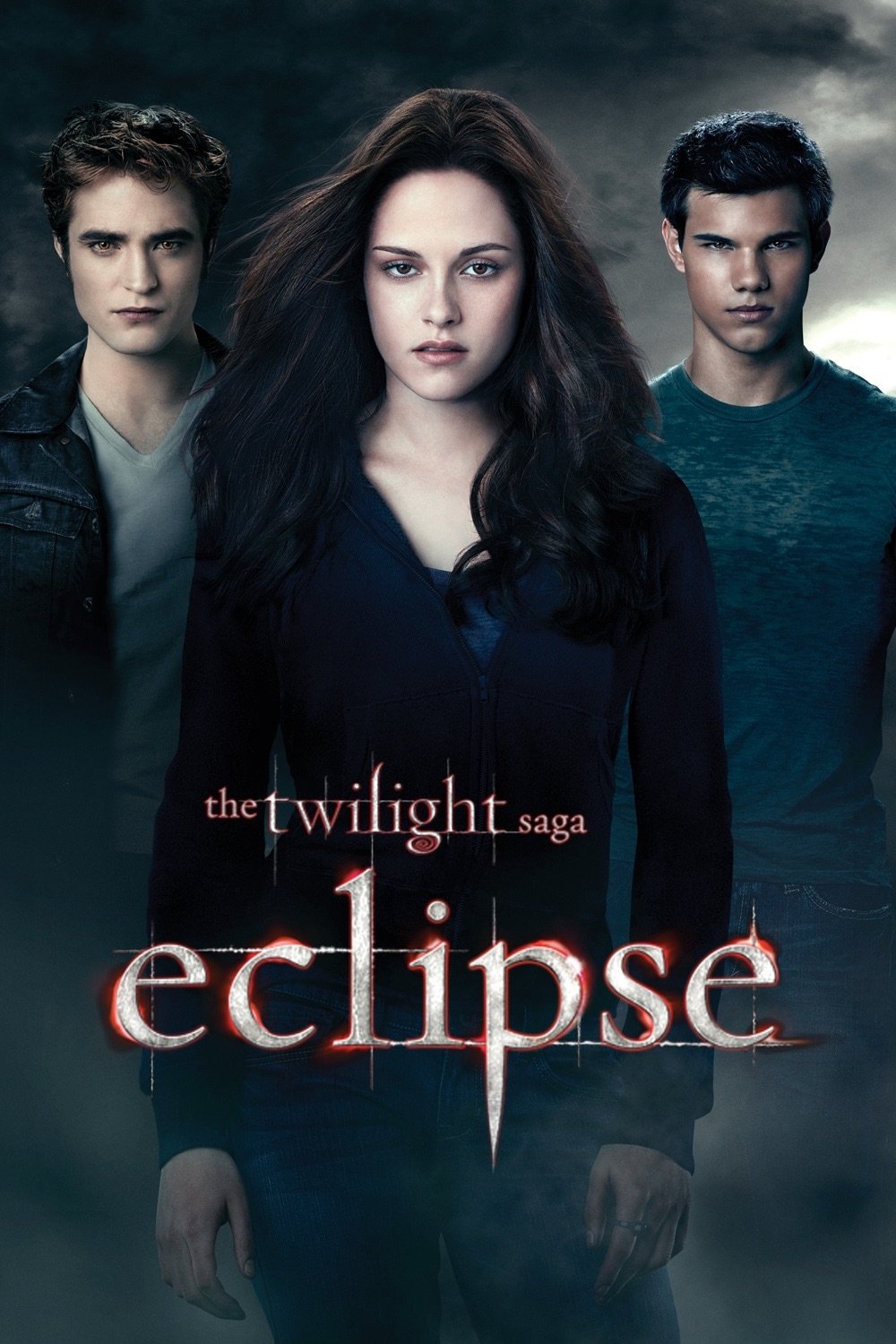
This is the heavy hitter on the list. Released in 2025, it’s a collaboration between Raina Telgemeier (the undisputed queen of middle-grade graphic novels) and Scott McCloud (the guy who literally wrote the book on how comics work). It’s a hybrid: part friendship story, part masterclass in visual storytelling.
Why it works: It validates the kid who is "bursting with ideas" but struggles to get them on paper. It’s meta in the best way—kids learn how to read comics more deeply while they’re reading one. If your kid feels like they "can't draw" or "can't write," this book shows them the "club" is open to everyone. Just a heads-up: it might trigger a sudden, urgent need for high-quality drawing pens and reams of paper.
Sometimes the best way to get a kid to value books is to let them be the author. This isn't a book you read; it’s a book you finish. It provides the structure (panels, speech bubbles) without the "blank page" intimidation.
The move: Hand this to the kid who spends all their time on a tablet or playing Minecraft. It’s the ultimate "get off the screen" pass because it lets them build their own world with a pencil. If they get stuck, give them a prompt: "What would happen if your cat found a jetpack?" Once they start writing their own dialogue, they start paying more attention to how professional authors do it.
Reluctant readers often thrive on "applied" reading—books where the plot is a puzzle to be solved.
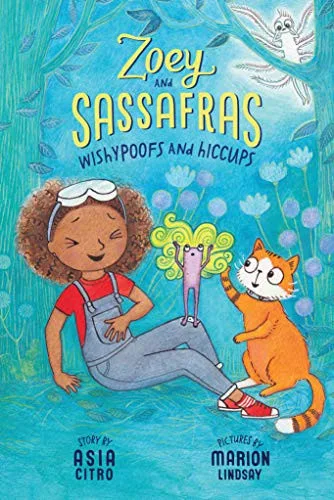
This series is the perfect transition for the 4-to-9 crowd. It’s got magical creatures (dragons, monsters, unicorns), but the protagonist, Zoey, solves their problems using the scientific method.
Why it works: It makes the "boring" parts of school—hypotheses, experiments, data—feel like a superpower. The chapters are short, the illustrations are frequent, and the stakes are high enough to keep them turning pages but low enough that it won't cause nightmares. It’s the "Goldilocks" of early chapter books: not too hard, not too babyish, just right.
If you’re dealing with a kindergartner or first grader who is already "over" reading, you need books that break the fourth wall and get loud.
Mo Willems is the master of the "reluctant reader" hook. If your kid has memorized every Elephant & Piggie book, this is the next step. It’s chaotic, high-energy, and packed with meta-jokes that make kids feel like they’re in on the prank.
Watch out for: The pacing. This is not a "drift off to sleep" book. It’s a "get riled up about a lost tooth" book. But for a kid who thinks books are static and boring, the "Unlimited Squirrels" are a necessary jolt of adrenaline. It even sneaks in science facts about teeth, so they’re learning while they’re laughing at the chaos.
While the original Pigeon books are legendary, this instructional guide version turns the reading experience into a project. It’s for the 3-to-6 crowd who need to do something while they read.
The move: Use this to turn reading into a performance. The Pigeon is a master manipulator—he’s every toddler who doesn't want to go to bed or wants to drive the bus. By using the activities in this guide to build puppets or "bus driver licenses," you’re moving the story off the page and into their hands. Just know that this is a "consumable" experience; once the activities are done, the book is mostly a collection of scraps. That’s okay. The memory of the "doing" is what sticks.
The biggest mistake parents make with reluctant readers is treating reading like a solo, silent activity. If they’re struggling, do it with them.
- The 20-Page Rule: For a new series, read the first 20 pages aloud. The "onboarding" is the hardest part for a reluctant reader—learning the names, the setting, and the tone. Once they're hooked on the plot, they're much more likely to take over and finish it themselves.
- Respect the Graphic Novel: Stop thinking of comics as "junk food." They are high-level literacy practice. A kid who can navigate the complex layout of a Telgemeier book is building sophisticated visual and narrative decoding skills.
- Audiobooks Count: If the physical act of decoding (turning letters into sounds) is the bottleneck, switch to audio. It builds vocabulary and narrative comprehension—the "language" half of the reading rope—without the frustration of the "word recognition" half. Listen to our best podcasts for kids for more entry points.
Q: Is it okay if my kid only wants to read graphic novels? Yes. Graphic novels are real reading. They require kids to decode text while simultaneously interpreting visual cues, pacing, and subtext. It’s a complex cognitive task that builds the same comprehension muscles as "traditional" books. If they're reading, they're winning.
Q: My kid is 10 but still reading "early" books. Should I push them to harder stuff? Usually, no. Pushing a reluctant reader into "level-appropriate" books that they find boring is the fastest way to make them quit entirely. Let them build confidence and speed on "easier" books. When they're ready for more complexity, they'll seek it out—especially if the story is good.
Q: Are audiobooks "cheating" for reluctant readers? Not at all. Literacy is multi-stranded. Audiobooks build vocabulary, syntax, and background knowledge. For a kid with dyslexia or decoding struggles, audiobooks keep their "comprehension" strand growing while they work on their "decoding" strand elsewhere.
Q: How do I get my kid to stop choosing "brain rot" over books? Don't frame it as an either/or. If they love Roblox, find books about game design or stories set in digital worlds. If they love YouTube stunts, hand them a book of world records. Meet them where their interests already are.
Reluctant readers don't need "better" books; they need "stickier" ones. Start with visuals, lean into humor, and don't be afraid to let them draw their own way into a story. The goal is a kid who sees a book as a portal, not a chore.
- For the full age-by-age breakdown of what actually works, check out our best books for kids list.
- If your kid is more into apps, see our digital guide for elementary school.
- Find books for a 10-year-old boy who loves Dog Man but needs something new