







Nature documentaries aren't just for sick days or substitute teachers anymore—they are the most reliable way to lower the collective household blood pressure without actually leaving the couch. When the house feels loud and the kids are bouncing off the walls, the move is to dim the lights, fire up the biggest screen you own, and let David Attenborough’s voice act as a tactical weighted blanket for the whole family.
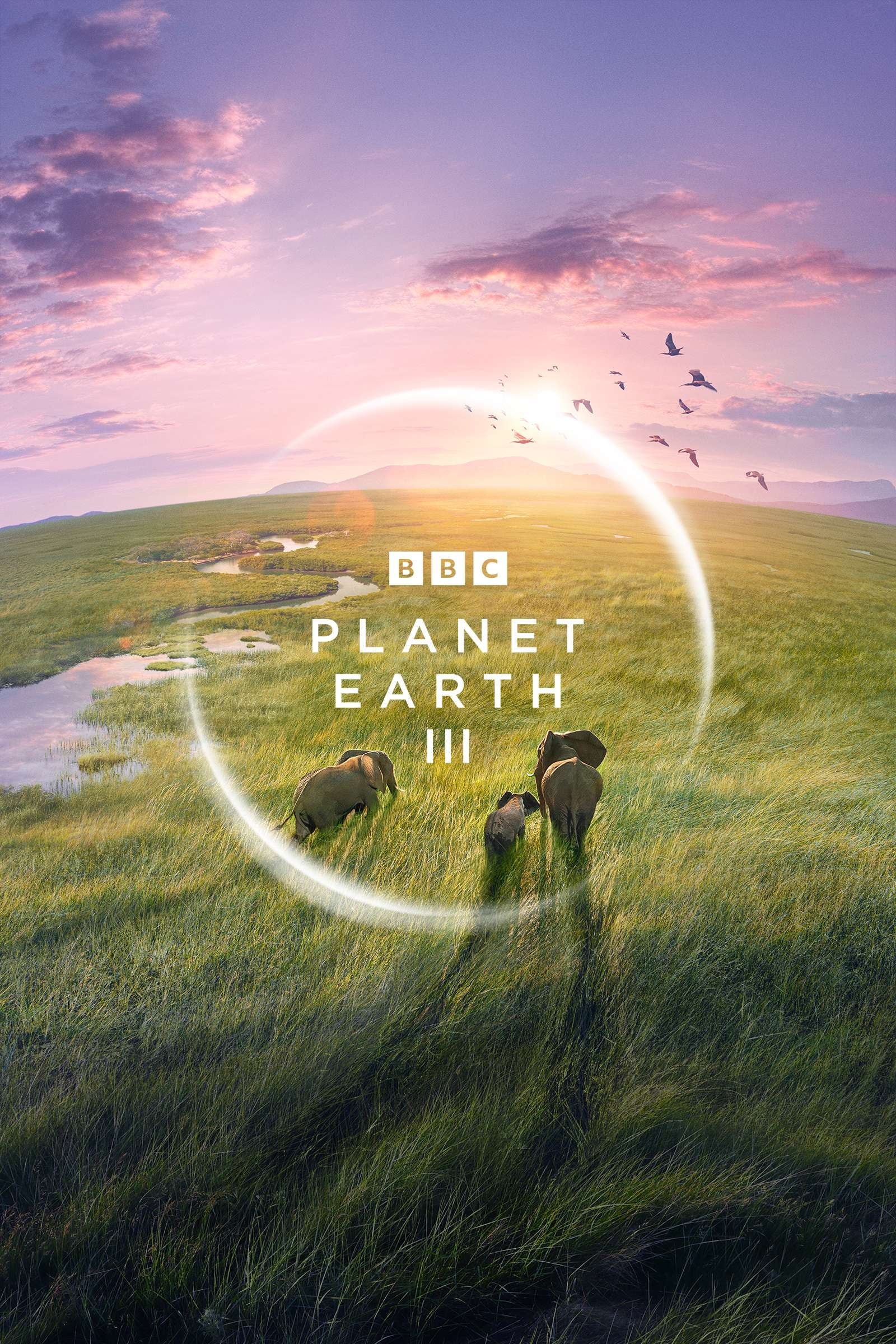
If you want to swap the frantic pace of typical kids' content for something that feels like a high-def escape, start with Planet Earth III for its sheer scale or Blue Planet for a deep-sea immersion. These shows aren't "homework"—they use cutting-edge cinematography to turn ecology into a cinematic event that holds the attention of everyone from second graders to grandparents. For more top-tier options, check out our best shows for kids list.
These are the shows that justify why you bought a 4K TV. They cover the entire globe, which helps kids (and adults) wrap their heads around just how big and weird the world actually is.
Nearly 20 years after the original changed the game, this latest installment is the gold standard. It’s breathtaking, obviously, but it’s also smarter. It doesn’t just show you a cool animal; it tells the story of how that animal is surviving in a world that’s changing fast. It’s "hopeful realism"—it doesn't shy away from the challenges species face, but it focuses on their incredible resilience.
The OG. If your kids haven't seen the "Deserts" or "Caves" episodes, they’re missing out on the foundation of modern nature docs. Even two decades later, the visuals hold up because they were filmed with a level of patience you just don't see in TikTok-era content. It’s a great way to build a kid’s attention span—sometimes you just have to sit and watch a snow leopard for five minutes to understand why it’s impressive.
Sometimes the best "vacation" isn't a trip around the world, but a trip into a world you usually ignore. These two series focus on specific ecosystems with such intensity that they end up feeling like sci-fi.
You wouldn't think a show about plants could be "dramatic," but Attenborough and the BBC team used specialized thermal and time-lapse cameras to show that plants are actually aggressive, competitive, and weirdly smart. They "fight" for sunlight and "hunt" for nutrients in ways that feel like a slow-motion action movie. It’s a total perspective shift for kids who think plants are just background decoration.
This is the ultimate "zen" watch. The underwater footage is incredibly immersive, taking you from the bright colors of coral reefs to the terrifying, alien-looking creatures of the deep trench. It’s also one of the best jumping-off points for talking about conservation without being preachy; once kids fall in love with a mother walrus, they actually care about what's happening to the ice.
If you want your kids to actually learn where things are on a map without it feeling like a quiz, these geography-focused series are the play.
Instead of habitat types, this series breaks things down by continent. It’s a brilliant way to teach kids about "place." They’ll learn why South America is a paradise of biodiversity while Antarctica is a brutal survival gauntlet. Each episode feels like a self-contained trip to a new corner of the earth.
This one is a bit of a curveball because it focuses entirely on Britain and Ireland. It proves you don't need a rainforest to find high-stakes nature drama. It’s a great reminder for kids that "nature" isn't just something that happens on another continent—there's an entire ecosystem of drama happening in backyards and local woodlands.
The "vacation" vibe of these docs is real, but nature isn't a Disney movie. The "circle of life" is the main plot point in every single one of these shows.
The Predation Factor Yes, lions eat zebras. Yes, orcas hunt seals. These shows handle it educationally, not graphically, but if you have a particularly sensitive kid under 7, you’ll want to be in the room. It’s not "blood and guts" for the sake of it, but it is factual. The best move isn't to skip it, but to talk about why it happens—the "why" makes it science instead of a scary movie.
The Pacing These aren't fast-cut YouTube videos. They are slow, observational, and quiet. For a kid raised on MrBeast, the first ten minutes might feel "boring." Stick with it. Once they get sucked into the "story" of a specific animal family, the slower pace actually becomes the draw. It’s an antidote to the over-stimulation of most modern media.
Don't just let the credits roll and move on. These shows are curiosity engines.
- The "How'd They Do That?" Factor: Most of these series have a 10-minute "making of" segment at the end of each episode. Do not skip these. Kids often find the camera crews hanging off cliffs or living in sub-zero tents just as fascinating as the animals themselves. It’s a stealth lesson in grit and engineering.
- Map it out: Keep a globe or a map app handy. When Seven Worlds, One Planet hits Asia, show them exactly where that mountain range is.
Q: What age is Planet Earth appropriate for? Most kids can start around age 6 or 7, provided they can handle the "circle of life" reality of predators hunting prey. The pacing is slower than typical cartoons, so it lands best once their attention span has matured a bit.
Q: Is there a lot of animal death in these shows? It’s a recurring theme because it’s nature, but it’s handled tastefully. You’ll see the hunt and the takedown, but the BBC rarely lingers on the graphic details. It’s more about the struggle for survival than the gore.
Q: Which nature doc should we watch first? Start with Planet Earth III. It’s the most modern, has the highest production value, and the stories are told with a contemporary lens that kids find very engaging.
Q: Are these better than just watching nature clips on YouTube? A thousand times yes. YouTube clips are often out of context and optimized for "shocks." These series are curated narratives that teach ecosystems and biology through storytelling. Plus, seeing this on a big screen is a completely different experience than a phone.
If you’re looking for a "high-WISE" win that doesn't feel like you're forcing a vegetable on your kids, this list is it. These documentaries are the rare intersection of "good for them" and "genuinely entertaining." Turn off the lights, turn up the sound, and take the vacation.