
Video games aren't just for button-mashing or keeping kids occupied while you make dinner; the best ones are visual and emotional masterpieces that belong in a gallery. If you’ve been looking for a way to show your kid that digital experiences can be as moving as a great novel or a museum visit, these are your starting points.
For a screen experience that feels like a deep breath rather than a sugar rush, look toward titles like Gris, Journey, and Abzû. These are meditative, often combat-free games that prioritize art direction and emotional resonance over high scores. They serve as perfect "palate cleansers" for kids who need to build their attention spans and see the creative potential of the medium beyond the usual loud, chaotic shooters found on our best games for kids list.
These games use their visual style to tell stories that would be impossible with just text. They’re interactive poetry, focusing on internal growth rather than external conquest.
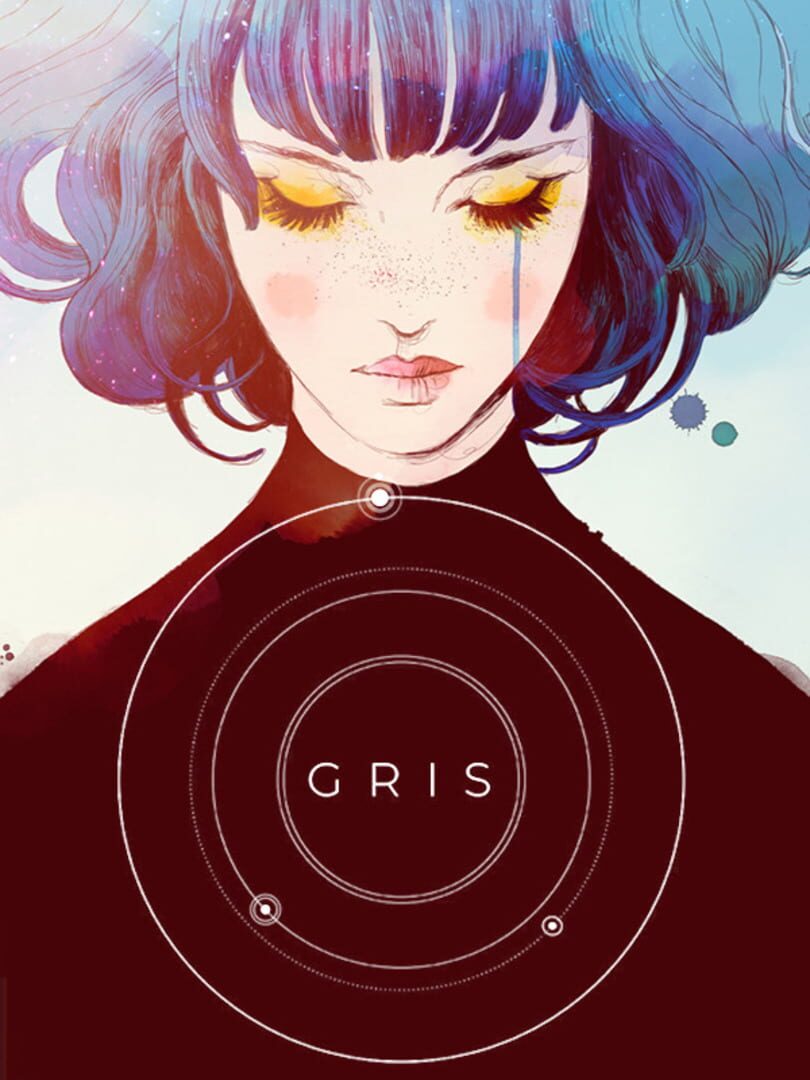
This is the game you point to when someone says video games are "brain rot." It looks like a living watercolor painting. You play as a young woman navigating a world that has lost its color, which is a metaphor for her journey through grief. There are no "Game Over" screens and no enemies to fight. Instead, your kid solves gentle puzzles and watches the world slowly regain its vibrancy. It’s a masterclass in showing, not telling. Best for kids 8-10 and up who can handle a slower pace and appreciate a story about emotional resilience.
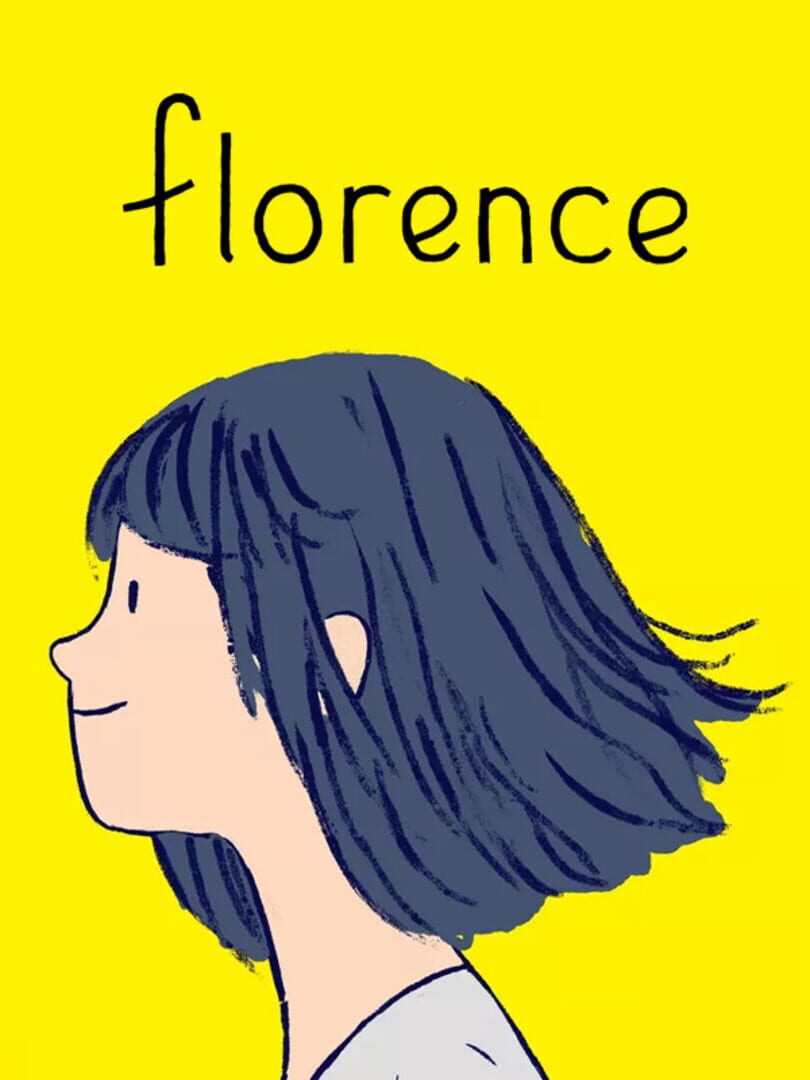
Think of this as an interactive graphic novel. It’s short—about 30 minutes to an hour—and follows the arc of a young woman’s first big relationship. The "gameplay" consists of small puzzles that mimic the feeling of the story: for example, conversation bubbles that get easier to piece together as the characters get to know each other, and harder as they drift apart. It’s a beautiful way to talk about the messy reality of growing up and moving on. It lands best with the 10+ crowd who are starting to navigate their own social complexities.
If your kid is coming off a high-intensity session of a competitive game and needs to wind down, these are the move. They are essentially digital "calm-down corners."
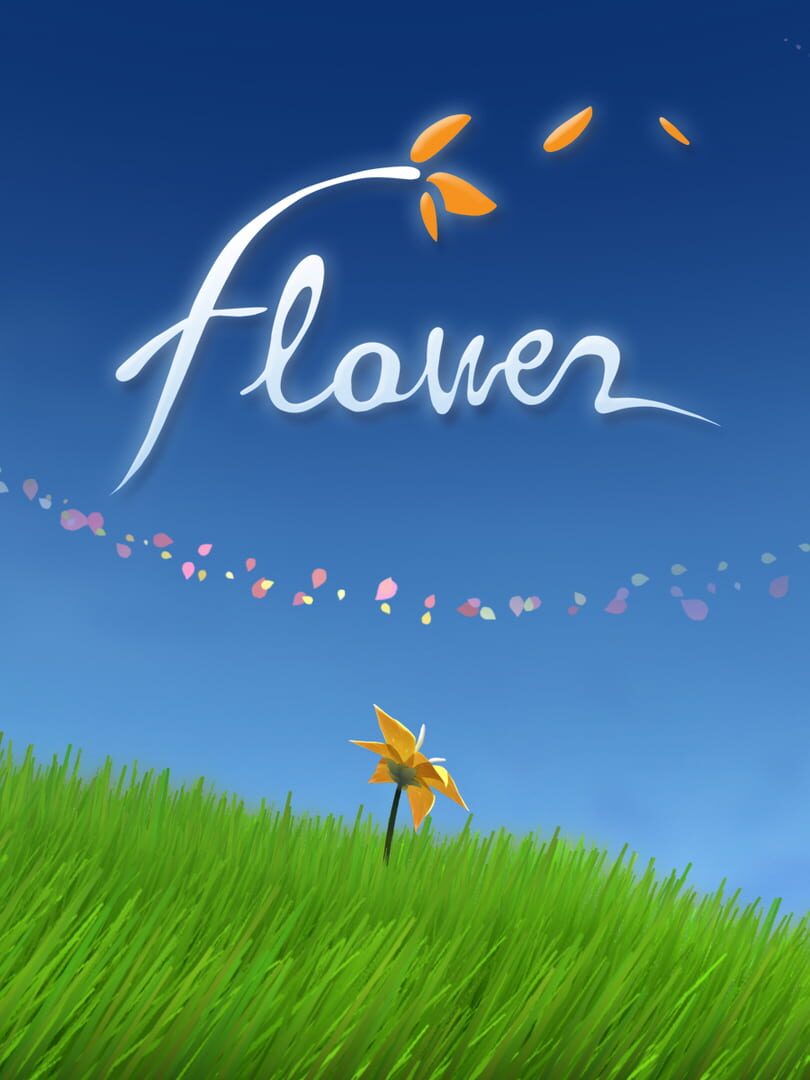
In Flower, you don’t play as a person; you control the wind. You tilt the controller to guide a trail of flower petals across vast, rolling hills, "healing" the landscape as you go. It is almost impossible to be stressed while playing this. The controls are intuitive enough for a four-year-old, but the artistry is sophisticated enough for an adult. It’s a perfect example of "zen" gaming.
If Flower is a walk through a meadow, Abzû is a deep-sea dive. You explore vibrant underwater ecosystems filled with thousands of fish based on real species. There’s no oxygen meter to worry about and nothing is trying to eat you. It’s pure exploration. It’s a great way to spark an interest in marine biology while giving the brain a break from the "constant-objective" loop of most modern apps.
These titles are about the scale of the world and the feeling of being a small part of something big. They reward curiosity and patience.
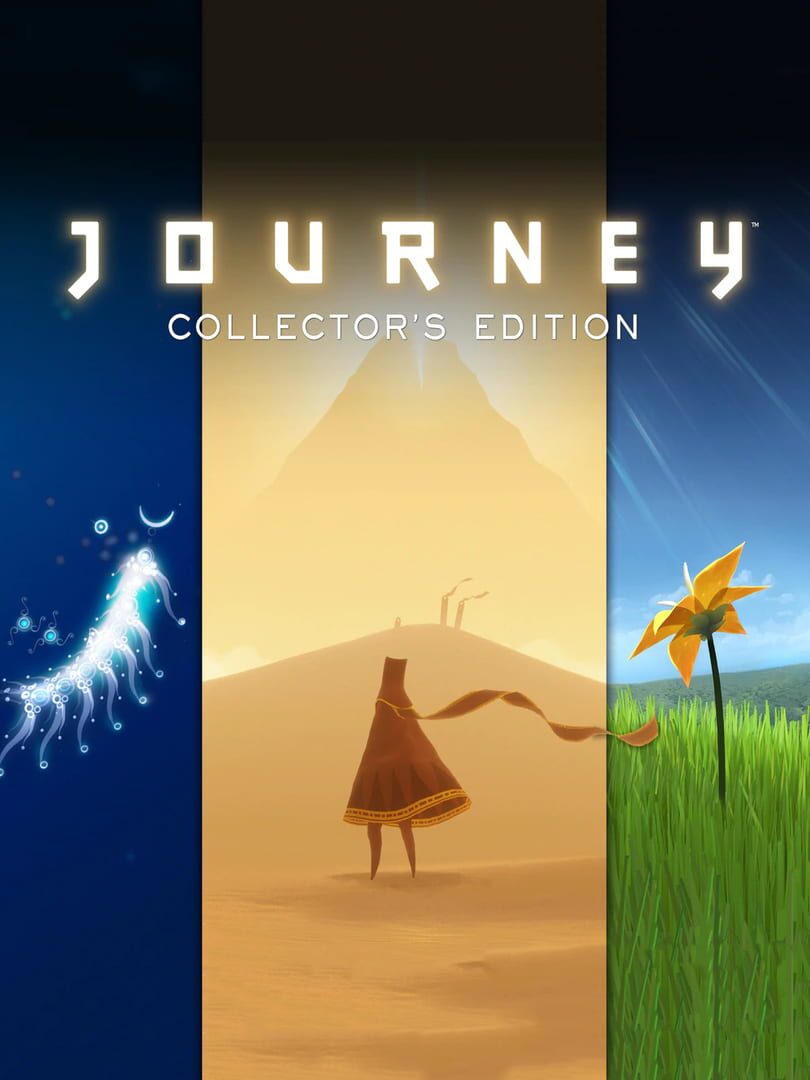
Released in 2012, this remains the gold standard for artistic gaming. You glide through a massive, shimmering desert toward a distant mountain. The genius of Journey is its multiplayer: you might encounter another player, but you can’t chat, you don’t know their name, and you can’t fight. You can only communicate through a musical chime to help each other along. It teaches cooperation through pure design. It’s wordless, beautiful, and the soundtrack actually won a Grammy.
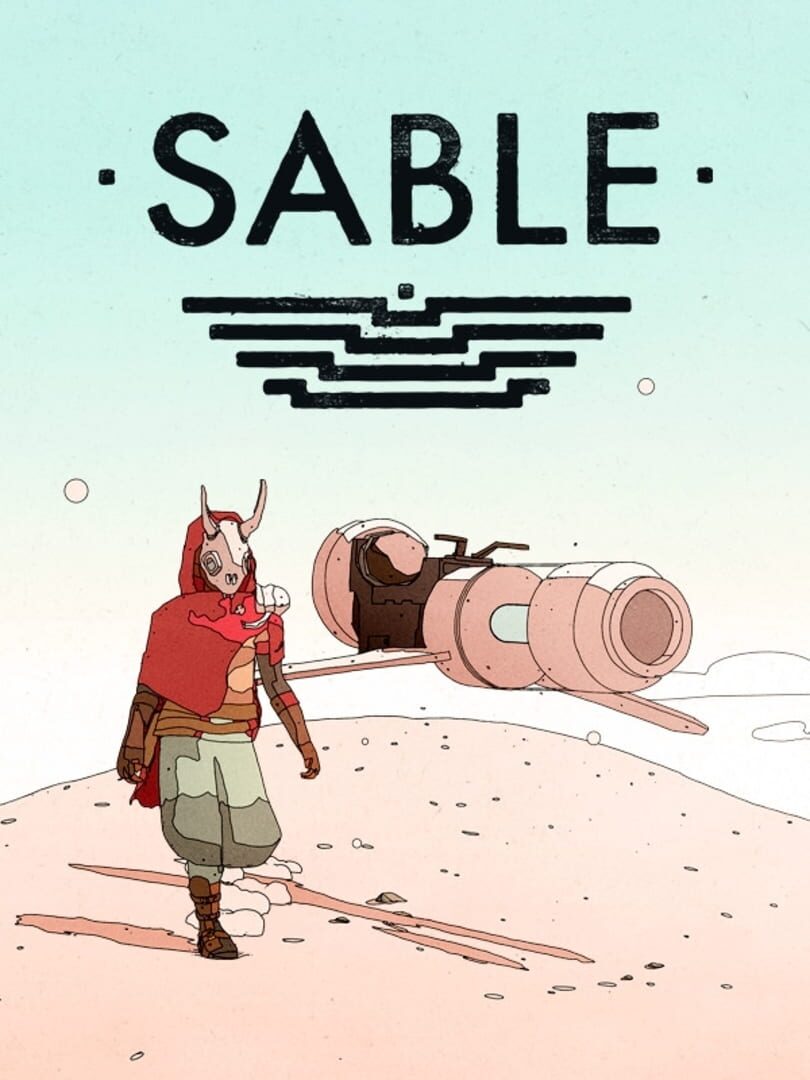
Sable looks like a French graphic novel come to life—specifically the work of the artist Moebius. You play as a young girl on a "gliding," a rite of passage where she explores a desert on a hoverbike to find her place in the world. There is zero combat. The game is entirely about climbing, exploring ruins, and talking to people. For kids who love the exploration of Zelda but could do without the monsters, this is the perfect alternative.
The best way to experience these is to treat them like a movie night. Put them on the biggest screen in the house, dim the lights, and let the kid play while you watch (or take turns). These aren't "distraction" games; they are "attention" games.
Questions to ask while they play:
- "Why do you think the colors changed in that last area?"
- "What do you think the character is feeling right now, since they aren't using words?"
- "If this were a painting in a museum, what would the title be?"
Q: Are these games too boring for kids used to fast action? They might be at first. If a kid is used to the constant dopamine hits of a battle royale, the "slow burn" of Gris can feel like a chore. The trick is to frame it differently—it’s an experience to be finished, not a platform to live in forever.
Q: Do I need a high-end gaming PC to play these? Most of these are available on standard consoles (Switch, PlayStation, Xbox) and several, like Florence and Flower, are available on mobile devices. You don't need a specialized "gamer" setup to enjoy the art.
Q: Is there any violence in these "art" games? Almost none. The "Art Game" genre generally swaps out combat for exploration and puzzle-solving. There are moments of tension—like the industrial levels at the end of Flower—but you won't find traditional violence here.
Q: What’s the best age to start these? While Flower and Abzû are great for kids as young as 5, the emotional depth of Journey and Florence usually clicks better around age 8 or 10.
If you want to move your family's gaming habit from "killing time" to "building perspective," these titles are the bridge. They prove that a screen can be a window into something beautiful, quiet, and deeply human.
- Check out our best games for kids list for more curated picks.
- If your kid loves the exploration in these, look into our digital guide for elementary schoolers.
- Find "cozy" and artistic game recommendations for a 10-year-old