Mo Willems is the guy who turned the word "No" into a literary masterpiece. If your kid is currently in that sweet spot where they want to do everything they shouldn't—and they have the negotiation skills of a high-stakes hostage mediator—the Pigeon is their spirit animal. These stories work because they don't just talk to kids; they put kids in the driver’s seat. Literally.
The magic of the Pigeon series, and the broader Mo Willems universe, is the "breaking of the fourth wall." The Pigeon looks the reader in the eye and asks for favors. He whines. He makes excuses. And your kid gets the rare, intoxicating pleasure of being the authority figure who has to say "No, you cannot drive the bus." It’s a masterclass in empathy through comedy.
Mo Willems’ Pigeon adventures are the gold standard for interactive storytelling that actually respects a kid’s intelligence. Start with the classic The Pigeon Needs a Bath! (Board Book) for the toddler set, then move into the digital space with Don't Let the Pigeon Run This App!. These picks aren't just books or shows; they are invitations for your kid to participate, argue, and laugh at the absurdity of their own toddler-logic.
The Pigeon is a "punk" in the best way possible. He’s persistent, he’s slightly manipulative, and he’s incredibly relatable. In The Pigeon Needs a Bath! (Board Book), we see the ultimate "I’m not dirty" manifesto. This recent board book release is built for the 1-to-5 crowd—specifically the ones who think a monthly rinse is plenty of hygiene.
The brilliance here is the stalling tactics. The Pigeon claims he took a bath last month. He says the water is too hot, then too cold, then too deep, then too lukewarm. Every parent has lived this 20-minute bath-time negotiation. By reading this with a kid, you’re letting them see the absurdity of their own excuses from the outside. It’s durable, it’s funny, and it usually ends with the Pigeon realizing—spoiler alert—that the bath is actually great.
We usually tell parents to watch out for apps that are just "click-to-see-an-animation" loops. Don't Let the Pigeon Run This App! is different. It’s an extension of the Mo Willems Workshop philosophy: kids should be creators, not just consumers.
The app lets kids shake the Pigeon, poke him, and—most importantly—record their own voices to drive the story. It’s essentially a "make-your-own-Pigeon-story" kit. It keeps the minimalist, iconic art style of the books but adds a layer of agency that most "educational" apps miss. If you’re going to do screen time with a preschooler, this is the way to do it—it’s high-engagement and requires them to actually think about narrative and comedic timing.
For the analog version of this, Don't Let the Pigeon Finish This Activity Book! hits the same notes. It’s full of "Pigeon-approved" (read: chaotic) activities that encourage drawing and writing. It’s the perfect "I'm bored" killer for a kid who has outgrown the basic board books but still loves the character's snark.
When Mo Willems moves from the page to the screen or stage, he tends to keep the "musical theater" energy high. Elephant & Piggie's We Are in a Play! and Knuffle Bunny: A Cautionary Musical are great examples of how to adapt a simple book into something that holds a kid's attention for an hour.
- Elephant & Piggie's We Are in a Play!: This captures the "best friend" dynamic perfectly. It’s vaudeville for kids. The humor is based on timing and the sometimes-fraught nature of sharing, which is the central conflict of every five-year-old’s life.
- Knuffle Bunny: A Cautionary Musical: This one hits home for parents. It’s the story of a lost stuffed animal and the communication gap between a toddler who can't talk yet and a dad who is trying his best. It’s surprisingly emotional for a show about a plush rabbit, but the humor keeps it from being sappy.
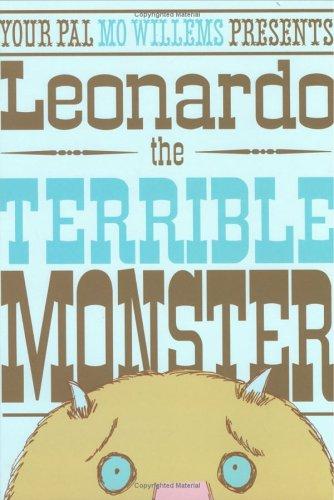
Rounding out the Mo Willems starter pack is Leonardo the Terrible Monster. Leonardo is "terrible" not because he’s evil, but because he’s bad at being scary. He can’t even scare a tuna fish.
This book is the perfect bridge for kids who might find the Pigeon a little too loud. It’s a story about finding your own path and the value of being a "wonderful friend" instead of a "terrible monster." It’s got that signature Willems style—lots of white space, expressive eyes, and a punchline that lands.
The best way to "read" a Pigeon book is to treat it like a script. Don't just read the words; perform them.
- Let them be the "No": When the Pigeon asks to stay up late or drive the bus, wait for your kid to answer. Let them get loud with it.
- Draw the Pigeon: One of Mo Willems’ biggest goals is to make characters that kids can actually draw. The Pigeon is just a few circles and a triangle. Grab a piece of paper after reading and see if they can make their own "Pigeon wants a..." story.
- Talk about the "Why": When the Pigeon is throwing a tantrum, ask your kid, "Why is he so upset?" It’s a low-stakes way to build emotional intelligence. It’s much easier to analyze a pigeon’s meltdown than their own.
The Pigeon is a bit of a "punk." He uses sass, he makes demands, and he definitely uses toddler-logic to try and get his way. Kids will almost certainly mimic this. You might find your 4-year-old using the Pigeon’s exact tone to negotiate for five more minutes of iPad time.
This isn't a "bad influence" situation; it’s a language-learning one. They are testing out how persuasion works. The move here is to lean into it. If they start acting like the Pigeon, give them the same look you give the book. It usually breaks the tension and turns a potential meltdown into a shared joke.

Q: What age is the Mo Willems Pigeon series best for? The sweet spot is ages 2 to 6. Toddlers love the "No!" factor of the board books, while preschoolers and early elementary kids appreciate the meta-humor and the drawing-heavy activity books.
Q: Is the Pigeon a bad influence for kids who already struggle with tantrums? Actually, it's the opposite. The Pigeon acts as a mirror. When kids see the Pigeon throwing a fit over a hot dog or a bath, they recognize how silly it looks. It gives you a shared vocabulary to talk about big feelings without it feeling like a lecture.
Q: Which Mo Willems book should I start with? If you have a toddler, start with the board book version of The Pigeon Needs a Bath!. If you have a slightly older kid (4-6), go with the original "Don't Let the Pigeon Drive the Bus!" or the Don't Let the Pigeon Run This App!.
Mo Willems understands that childhood is a series of negotiations. By giving kids a character like the Pigeon, he gives them a way to practice those negotiations with humor instead of heat. Whether you're reading a physical book or watching Elephant & Piggie's We Are in a Play!, the goal is the same: get the kid involved in the story.
- Check out our best books for kids list for more interactive favorites.
- Explore our digital guide for preschoolers to find more high-quality apps like the Pigeon one.
- If your kid loves the humor here, they’ll likely love the Bluey series for its similar "kids-in-charge" play style.