

If you want your kid to actually contribute to dinner instead of just eating it, you don't start with a lecture on nutrition—you start with a show where a twelve-year-old makes a perfect choux pastry while staying remarkably calm under pressure.
The best way to get kids into the kitchen isn't a chore chart; it's showing them that cooking is a mix of high-stakes creativity and edible science. By leaning into shows like The Great British Baking Show: Junior or deep-diving into the "why" of a recipe with America's Test Kitchen Kids, you’re moving them from passive consumers to active makers. This isn't just about "screen time"; it's about using media as a launchpad for a rainy-afternoon project that ends with something you can actually eat.
TL;DR
To turn screen time into kitchen time, start with kindness-first competitions like The Great British Baking Show: Junior to build enthusiasm, then use America's Test Kitchen Kids for recipes that actually work. For older kids or car rides, the Home Cooking podcast builds the "language comprehension" side of cooking literacy. This path moves kids from watching the magic to mastering the science of the kitchen.
Most "adult" cooking competitions rely on manufactured drama, bleeped-out swearing, and aggressive countdowns. That’s not what we’re doing here. The picks on this list—specifically The Great British Baking Show: Junior and its Junior Edition counterpart—are the gold standard for "low-stakes" viewing.
The magic of these shows isn't just the cakes; it's the sportsmanship. When a ten-year-old’s biscuit tower collapses, the other contestants don't cheer—they run over to help. This models a version of "failure" that is manageable and even communal. If your kid is the type to melt down when their cookies come out flat, watching these British kids navigate a "soggy bottom" with grace is a subtle, effective masterclass in resilience.
Similarly, The Great Canadian Baking Show brings that same "polite competition" energy to an all-ages cast. It’s one of those rare shows that hits the "co-watching" sweet spot: it’s visually stimulating enough for a first-grader but interesting enough that you won't be checking your phone the whole time. It introduces global flavors and diverse techniques without being "educational" in that dry, homework-adjacent way.
Eventually, the "I want to make that" phase kicks in. This is where you swap the TV for America's Test Kitchen Kids.
Here is the thing about typical "kid cooking" content on social media: most of it is "brain rot" performance art. It’s influencers melting a giant bowl of Hershey’s kisses just to see what happens. It’s visually sticky but practically useless. America’s Test Kitchen Kids is the antidote. Because their recipes are tested by thousands of actual kids, the instructions account for the fact that an 8-year-old’s fine motor skills are different from a professional chef’s.
This is also where the "STEAM" (Science, Technology, Engineering, Art, and Math) integration happens. Cooking is just chemistry you can eat. When a kid understands why baking powder makes a cake rise, they aren't just following a recipe; they’re learning to troubleshoot.
We talk a lot at Screenwise about how literacy is multi-stranded. Reading a recipe is one skill, but understanding the logic of flavor and the vocabulary of the kitchen is another.
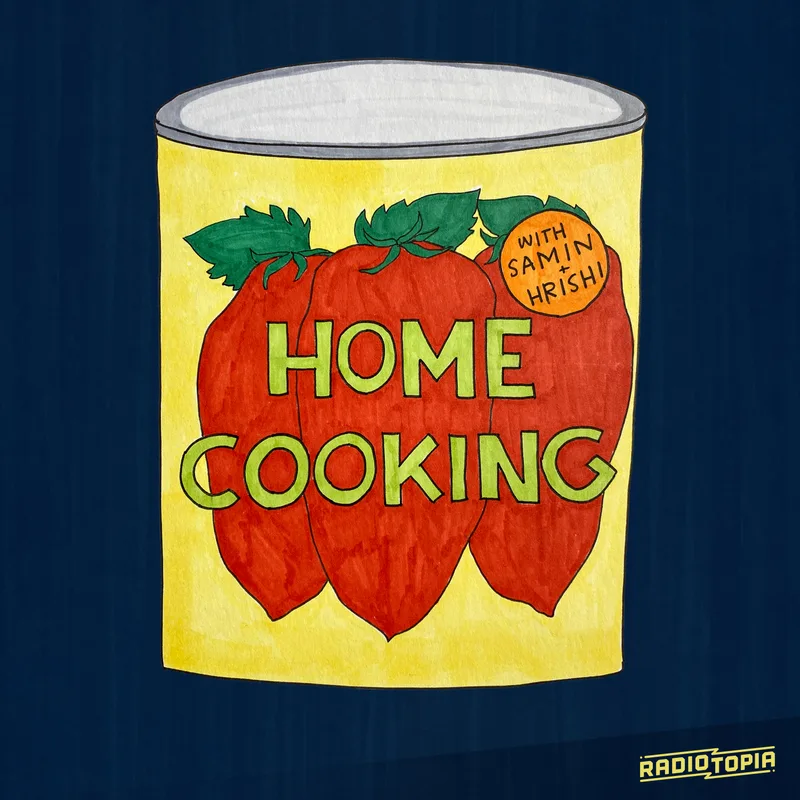
Home Cooking, hosted by Samin Nosrat and Hrishikesh Hirway, is a brilliant way to build that language comprehension. Samin (of Salt Fat Acid Heat fame) has an infectious joy that makes the kitchen feel like a playground rather than a laboratory.
While this podcast is technically for adults, it is perfectly safe for kids and works wonders on a long car ride. It teaches "kitchen confidence"—the ability to look at a random assortment of ingredients in the pantry and realize you actually have everything you need for a great meal. For a curious 10-to-12-year-old, listening to Samin solve people's cooking dilemmas is a great way to demystify the "magic" of a good chef.
The biggest "watch-out" for this entire category isn't the content—it's the aftermath.
Expect the flour explosion. If you're going to encourage this interest, you have to be okay with the kitchen looking like a disaster zone for a few hours. The move here is to make "The Clean Up" part of the "Technical Challenge."
Also, be prepared for your grocery bill to take a hit. Once a kid sees a "Showstopper Challenge" involving passion fruit and cardamom, they’re going to ask for passion fruit and cardamom. Use this as an opportunity to talk about seasonal ingredients or how to substitute what you already have.
Q: What age is The Great British Baking Show: Junior appropriate for? It’s a solid fit for ages 5 and up. While the contestants are usually 9–12, the tone is so gentle and the visuals are so colorful that even preschoolers find it soothing.
Q: Is America's Test Kitchen Kids worth the subscription? If your kid is genuinely interested in the "why" behind cooking, yes. The recipes are rigorously tested to ensure they actually work in a home kitchen, which prevents the "expectation vs. reality" heartbreak that comes from trying unvetted Pinterest recipes.
Q: Are there any "scary" parts in these cooking competitions? "Scary" is a stretch, but there is "stress." The final countdown of a baking challenge can get the heart rate up. If your kid is highly sensitive to people being upset or "losing," you might want to remind them that everyone stays friends and the judges are always constructive, never mean.
Q: Can podcasts really teach kids how to cook? They won't teach them how to chop an onion, but they build "background knowledge"—one of the key strands of literacy. Podcasts like Home Cooking teach the vocabulary and the logic of the kitchen, which makes the actual physical cooking much easier to grasp later.
Don't just let them watch; let them mess up your kitchen. The goal isn't to produce a Michelin-starred chef by age twelve; it's to build a kid who isn't intimidated by a frying pan. Start with the inspiration, move to the science, and keep the conversation going while you're both covered in flour.
- For more "maker" inspiration: Check out our best apps for kids list for creative tools that go beyond the kitchen.
- For more screen-to-real-life bridges: See our digital guide for elementary school.
- Ask the bot: Find more shows that inspire real-world hobbies