A rainy Saturday doesn't have to be a battle over screen time limits or a descent into loud, frantic shooters; it’s the perfect excuse for "cozy games"—low-stakes, high-vibe experiences that swap timers and combat for exploration and chill. These are games designed to be played under a blanket with a mug of cocoa, where the goal isn't to "win" in the traditional sense, but to exist in a world that actually wants you to enjoy yourself.
TL;DR: For a stress-free rainy day, grab Lil Gator Game for pure backyard nostalgia or Toem for a charming, photography-based adventure. If your kid wants a bigger world to get lost in without the threat of a "Game Over" screen, Yonder: The Cloud Catcher Chronicles is the ultimate digital weighted blanket.
Most video games are built on friction—enemies to beat, timers to race, or high-pressure platforming that sends you back to the start if you miss a jump. Cozy games flip that script. They prioritize "intrinsic motivation," which is a fancy way of saying kids play them because the act of playing feels good, not because they’re chasing a high score.
On a rainy Saturday, that lack of friction is a gift. It means fewer "I can't do it!" meltdowns and more "Look at this cool bird I found!" moments. Screenwise tracks these through our best games for kids list, focusing on titles that respect a kid's pace.
These games capture the specific feeling of being seven years old, wearing a cardboard hat, and turning the local park into a kingdom.
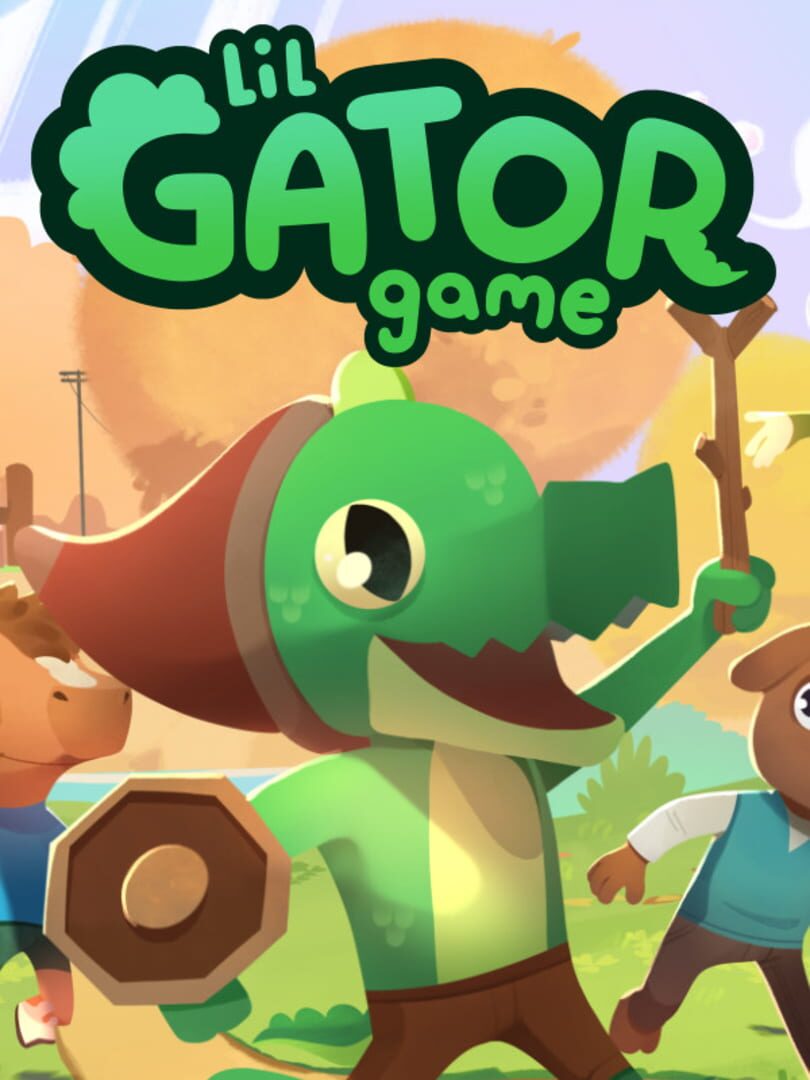
This is arguably the gold standard for cozy adventures. With a WISE score of 96/100, it’s almost impossibly wholesome. You play as a little alligator trying to convince your older sister to stop her college work and play with you. You explore an island, help animal friends with small tasks, and "fight" cardboard monsters.
Why it works: There is zero "fail state." You can’t die, you can’t lose progress, and the movement—climbing and gliding—feels incredible. It’s a perfect first 3D game for kids who are still mastering dual-stick controls. The catch: It's heavy on dialogue. If your kid isn't reading fluently yet, you're the designated voice actor for the afternoon.
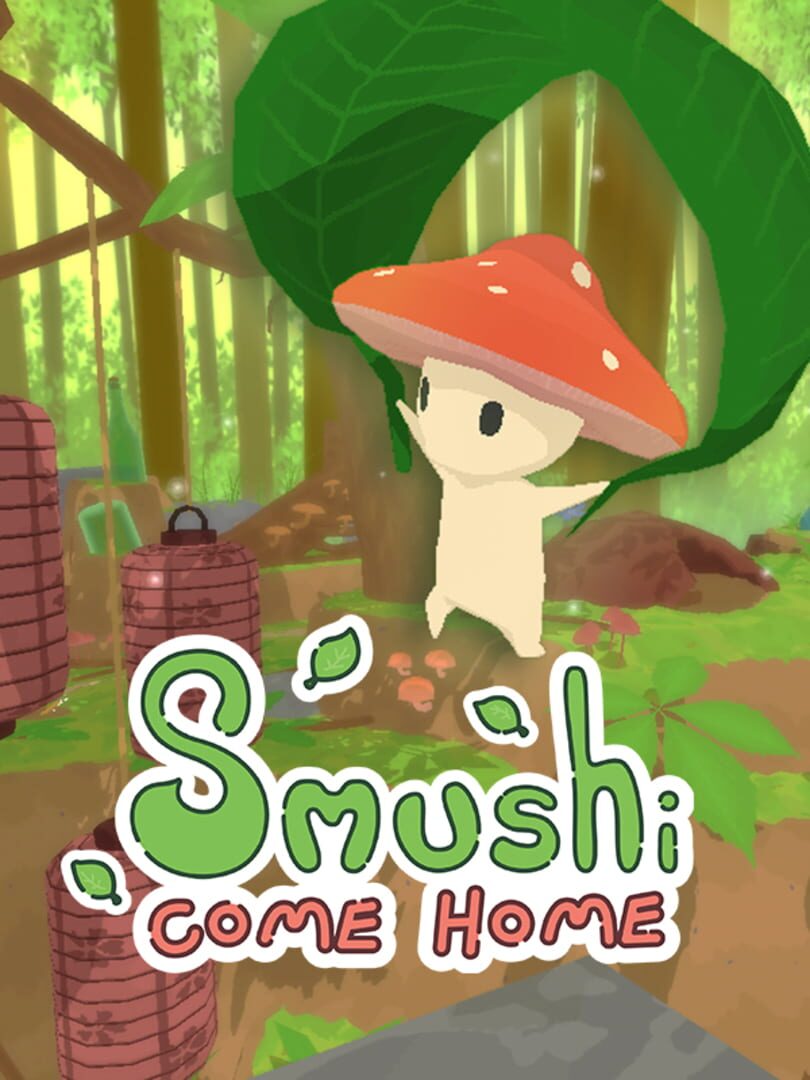
Think A Bug's Life but without the corporate cynicism. You’re a tiny mushroom trying to find your way back to your family. It’s short (3-5 hours), which makes it a great "one-Saturday" completion project.
Why it works: It actually sneaks in some real-world mycology. Your kid will learn about different types of fungi while they’re busy gliding on a leaf. It’s imaginative and safe (WISE 93), making it a top-tier pick for the 5-8 age bracket.
These games are about observation and atmosphere. They reward kids for slowing down and actually looking at the world around them.
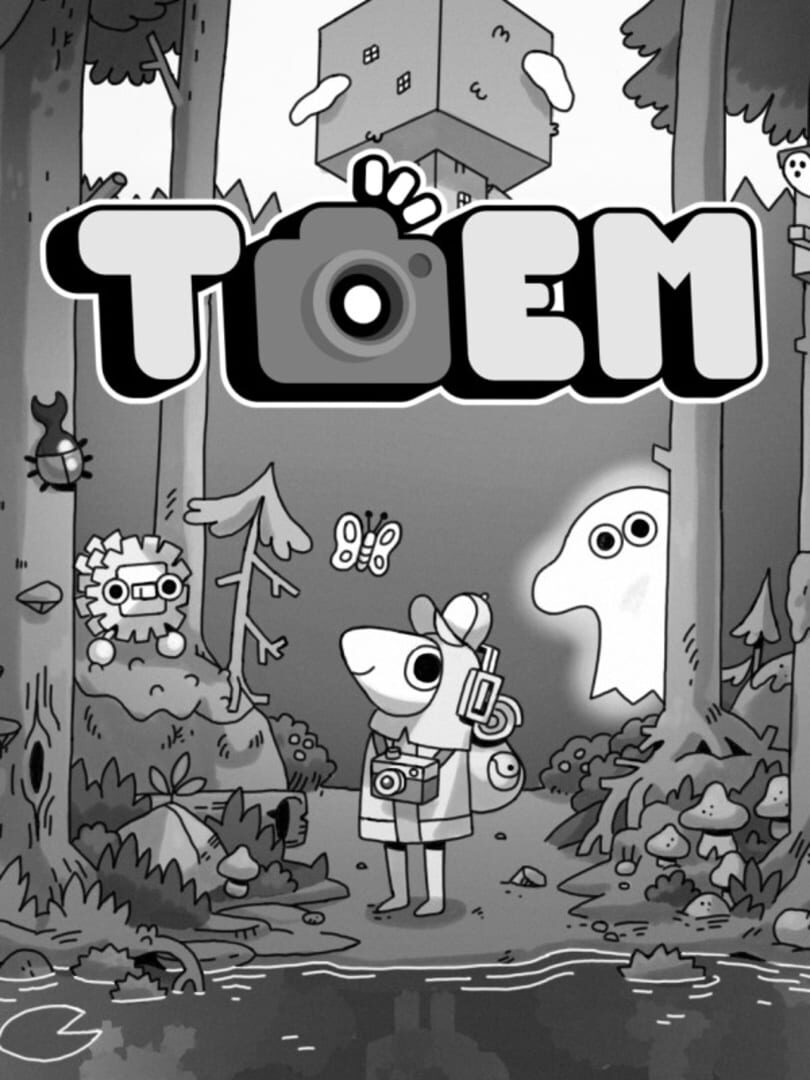
Toem is a hand-drawn, black-and-white photography adventure. Instead of a sword, you have a camera. You solve puzzles by taking pictures of specific things for the quirky residents of the world.
Why it works: It’s a "palate cleanser" game. In a world of neon-soaked, high-decibel media, Toem is quiet and clever. It rewards curiosity and visual storytelling. The catch: Some of the puzzles are abstract. A 7-year-old might need a nudge to realize that "a grainy phantom" means they need to take a photo of a specific shadow.
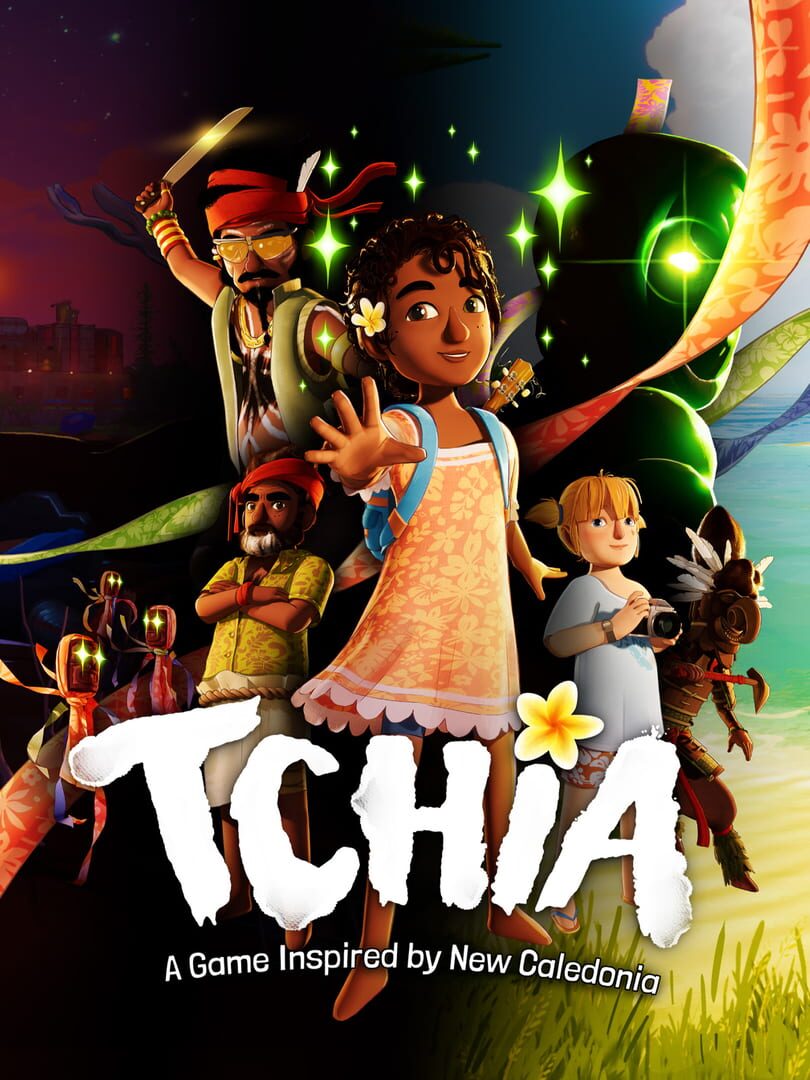
This is a gorgeous open-world adventure inspired by New Caledonia. The standout mechanic is "Soul-Jumping," which lets you inhabit almost any animal or object you see. Want to be a seagull? Jump into one. Want to be a coconut and roll down a hill? Go for it.
Why it works: It’s a masterclass in cultural representation. The music, the traditions, and the landscape are all grounded in real Pacific Island culture. It’s a "Moana-meets-Zelda" vibe that lands perfectly for kids 9 and up. Watch out for: The villain, Meavora, is genuinely creepy. There’s some heavy folklore here that might rattle more sensitive younger kids, even though it’s presented with a Pixar-like art style.
If your kid loves the idea of a big, open world but gets stressed out by the combat in games like Zelda or Minecraft survival mode, these are the move.
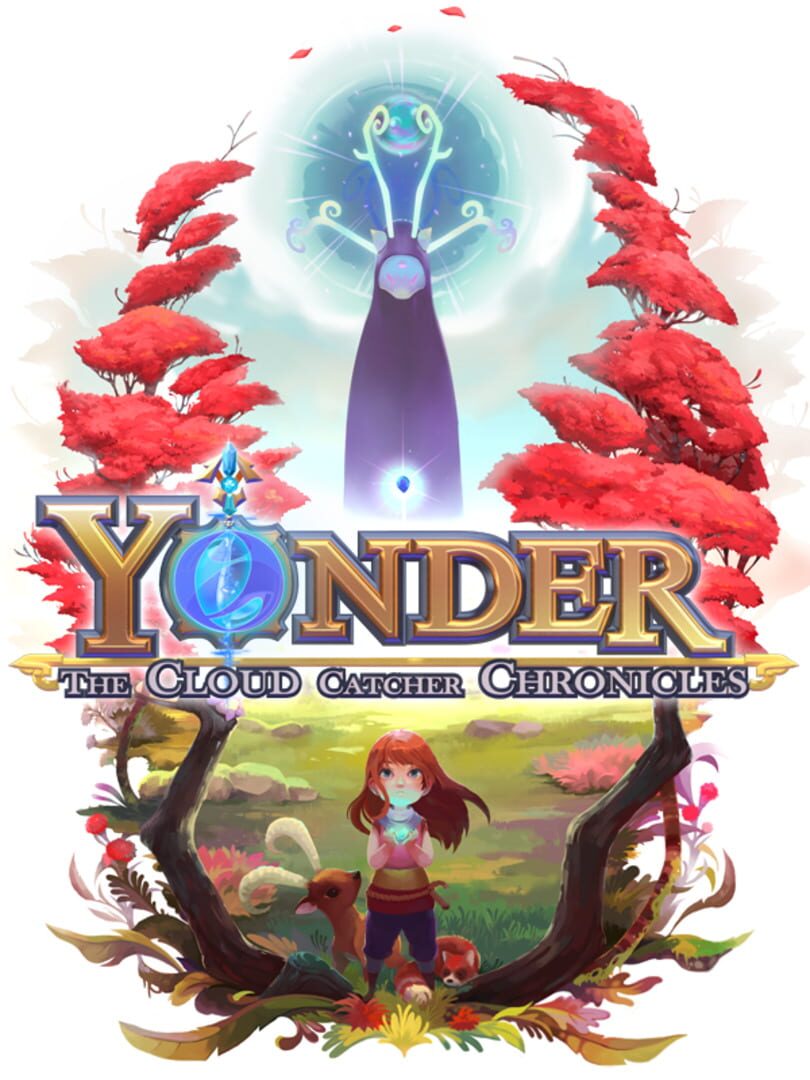
Yonder is essentially a combat-free version of Breath of the Wild. There are tropical beaches, snowy mountains, and plenty of farming and crafting, but nothing is trying to kill you.
Why it works: It’s pure exploration. You spend your time clearing a mysterious "Murk" from the land, building farms, and finding hidden sprites. It’s incredibly forgiving for anxious players. The catch: It can feel a bit aimless. Without a parent helping to track the quest log, younger kids might just wander around in circles (which, honestly, is also fine for a rainy Saturday).
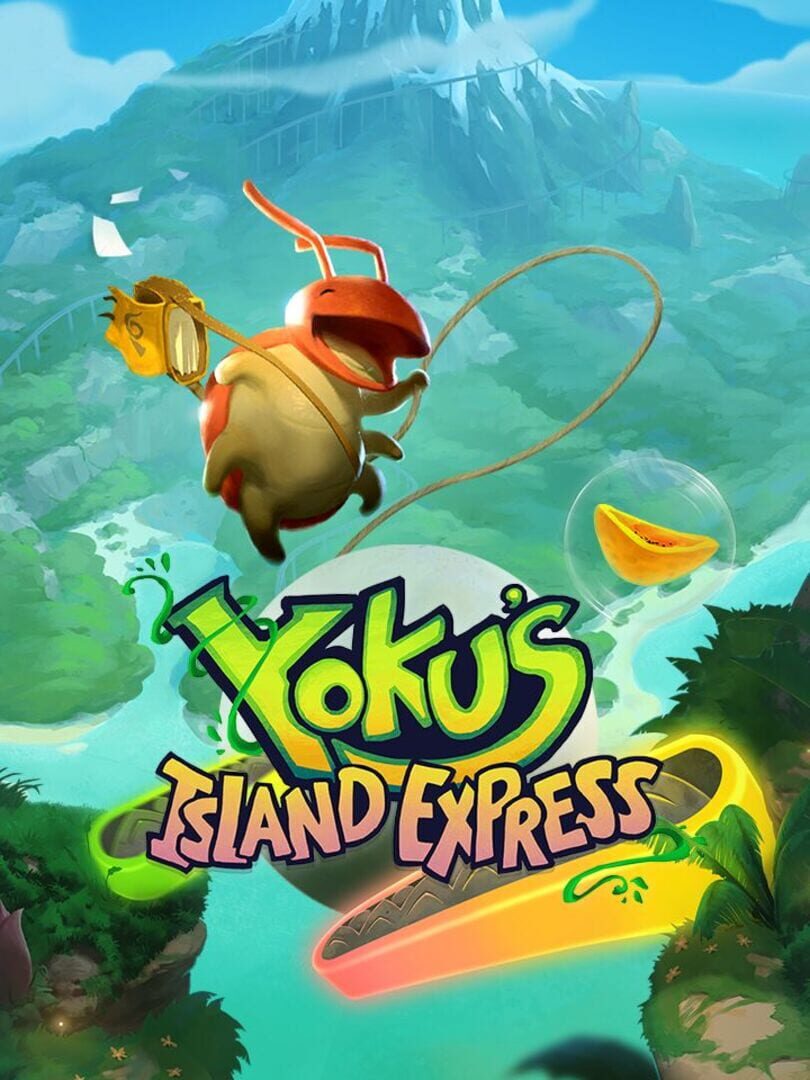
This one is a weird, brilliant mashup: it’s an open-world adventure, but you move by playing pinball. You’re a dung beetle postman (stay with me) who is tethered to a ball, and you use flippers built into the environment to zip around.
Why it works: It’s physically satisfying. The "clack" of the flippers and the flow of the ball make it feel like a toy. It’s low-stress—if you miss a shot, the ball just falls back down and you try again. The catch: The map is a "Metroidvania" style, meaning some areas are locked until you get certain items. This can be confusing for the under-7 crowd who just want to go everywhere at once.
Cozy games are the best entry point for "co-playing." Since there’s no pressure to perform, you can sit on the couch and trade the controller back and forth without frustration.
Ask them about the world: Instead of "What level are you on?", try "Who is the weirdest animal you've met today?" or "Where are you planning to explore next?" These games are built on narrative and discovery, so lean into that.
If your kid finishes these and wants more, you can always get help picking a next game .
.
The main "friction point" with cozy games isn't the content—it's the reading. Almost all of these indie titles rely on text boxes rather than voice acting. If you have a reluctant reader, this is actually a secret superpower. They'll want to know what the gator is saying, which turns the game into a stealth literacy session. For kids who struggle with decoding, sitting together and reading the dialogue aloud is a great way to build language comprehension while they handle the sticks.
Q: What exactly is a "cozy game"? It’s a genre of games that prioritizes relaxation, atmosphere, and low-stress activities like farming, decorating, or exploring. Think of them as the video game equivalent of a "comfort watch" show—no violence, no timers, and no way to truly fail.
Q: Are these games too "babyish" for older kids? Not necessarily. While the art styles are often cute, the mechanics (like the pinball in Yoku's Island Express or the photography in Toem) are clever enough to keep adults engaged. They’re often used by older gamers as "palate cleansers" between more intense titles.
Q: Do I need a specific console for these? Most of these are available on the Nintendo Switch, which is the unofficial home of cozy gaming, but you can also find them on PlayStation, Xbox, and PC. Lil Gator Game and Tchia are widely available.
Q: Is Tchia okay for a 7-year-old? It depends on the kid. The gameplay is great, but the story involves a villain who is legitimately menacing and some darker folklore themes. Screenwise generally recommends it for ages 9 and up, but a brave 7-year-old playing with a parent would likely be fine.
Cozy games turn a "stuck inside" day into an opportunity for exploration without the adrenaline spike. They're intentional, beautiful, and—most importantly—they won't end in a "Game Over" tantrum.
Next Steps
- Start with Lil Gator Game if you want pure joy.
- Check out our best games for kids list for more age-specific picks.
- Find more games like these using our chatbot.