

Pixar isn't just making movies for kids—they’re making emotional roadmaps for parents trying to navigate the chaos of raising decent humans. If you aren’t misty-eyed by the third act of these films, you’re likely a robot (and even the robot on this list finds a way to break your heart). This collection represents the "Gold Standard" era of animation where the storytelling is sophisticated enough for a philosophy major and visual enough for a preschooler.
TL;DR: This ranking highlights the Pixar films that do the heaviest lifting for families. Use the Inside Out series to build a shared vocabulary for mental health, or cue up WALL-E for a masterclass in visual storytelling that works for any age. These aren't just "safe" picks; they are the rare movies that respect a kid's intelligence and a parent's time.
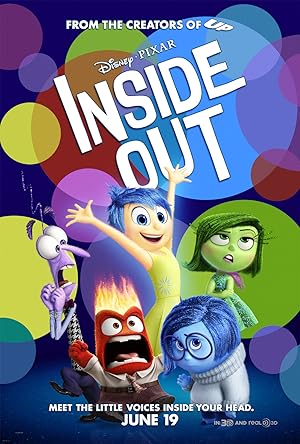
If you're tired of asking "How was your day?" and getting a one-word answer, these two movies are the fix. Inside Out and Inside Out 2 give families a concrete way to talk about the "control room" in a kid's head.
The first film is the essential primer on emotional literacy—it's the movie that finally explains why Sadness is just as necessary as Joy. By the time you get to the sequel, the stakes shift to the specific, sweaty-palmed chaos of puberty. Inside Out 2 introduces Anxiety as a character, which is a gift for anyone raising a middle-schooler. It normalizes the idea that new, uncomfortable emotions aren't "bad"—they're just part of the upgrade. Watch these together and you'll find yourself saying things like, "It feels like Anxiety is driving the bus right now," which beats a lecture every time.
It is incredibly difficult to make a movie about environmental collapse and rampant consumerism that doesn't feel like a finger-wagging documentary. WALL-E pulls it off by leaning on Chaplin-esque physical comedy and a romance between two robots who barely speak.
For younger kids, it’s a funny space adventure. For older kids and parents, it’s a sharp critique of what happens when we prioritize convenience over connection. Because the first half of the movie is almost entirely silent, it’s a perfect pick for kids who struggle with complex dialogue-heavy plots. They absorb the story through the character's eyes and the brilliant sound design.
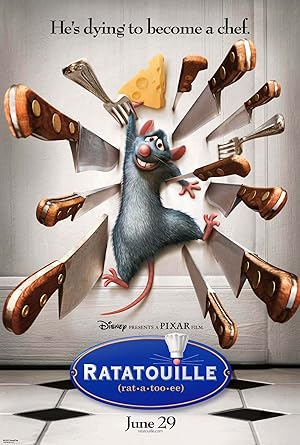
Both of these films tackle the friction between family expectations and personal dreams. In Coco, it’s a boy chasing music in a family that’s banned it; in Ratatouille, it’s a rat who wants to be a French chef.
Coco is the standout for cultural education. It handles the concept of death and remembrance with more grace than almost any other piece of media, making it a useful tool if your family is dealing with grief or just curious about heritage. Ratatouille, meanwhile, is the "foodie" pick. It’s a sophisticated look at creativity and the idea that "anyone can cook"—a great message for kids who feel like they don't fit the standard mold of what a "talented" person looks like.
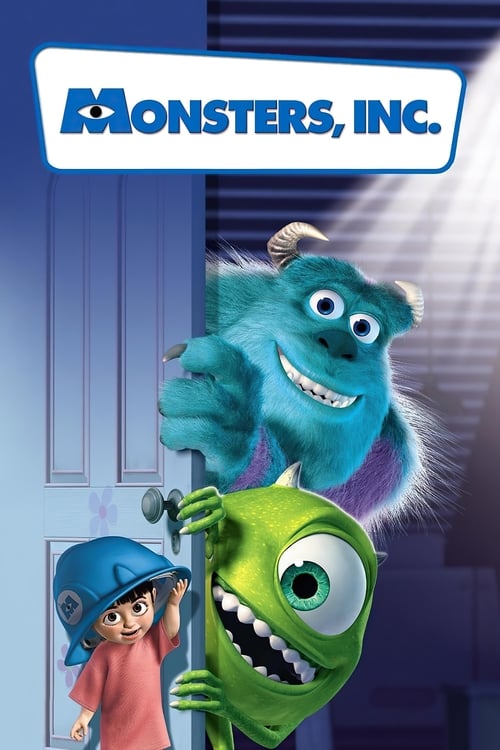
If you have a kid who is convinced there’s something under the bed, Monsters, Inc. is the logical response. It flips the script by making the monsters more terrified of the kids than the other way around. It’s a classic "buddy comedy" that holds up decades later because the chemistry between Mike and Sulley is genuine. It’s the lightest entry on this specific list, but it still packs that Pixar punch when it comes to the bond between a caretaker and a child.
The best way to engage with these isn't just to let them wash over the room while you're on your phone. These films are designed for "co-viewing."
- Spot the "Quiet" moments: In WALL-E, ask your kid how they knew the robot was sad even though he didn't say it. It’s a stealth lesson in empathy and body language.
- Name the Emotions: After Inside Out 2, ask which emotion they think is the "boss" of their control room right now. It’s a low-pressure way to check in on their mental health.
- Connect to the Kitchen: If Ratatouille sparks an interest, let them help with a meal. The movie's thesis is that talent is found in unexpected places—let them test that out.
Q: What age is Inside Out 2 appropriate for? It’s perfect for ages 8-14. While younger kids will like the colorful characters, the themes of social anxiety and the pressure to "fit in" land hardest for kids entering or currently in middle school.
Q: Is Coco too scary because of the skeletons? Not usually. The skeletons in Coco are vibrant, expressive, and treated as family members rather than monsters. Most kids age 6 and up find it beautiful rather than frightening, though the ending is a legitimate tear-jerker.
Q: Which Pixar movie is best for a very young child (ages 3-4)? Monsters, Inc. and WALL-E are the best bets. They rely heavily on physical comedy and clear visual cues that preschoolers can follow even if they miss the deeper thematic layers.
Pixar’s best work succeeds because it treats "family" as a complex, messy, and beautiful reality rather than a greeting card. Whether you're navigating the environmental stakes of WALL-E or the hormonal shifts of Inside Out 2, these films provide the "language" you need to talk to your kids about the stuff that actually matters.
- Check out our best movies for kids list for an age-by-age breakdown of what to watch next.
- If your kid is hitting those middle school years, dive into our digital guide for middle school for more on navigating that transition.
- Get more movie recommendations for your next family night