

The best toys for your kid are the ones where the toy does 10% of the work and the kid does the other 90%. If a toy requires batteries, has a "correct" way to be built, or comes with a 40-page instruction manual, it usually has an expiration date on a kid's interest. Open-ended toys—the kind that are just as fun for a 3-year-old as they are for a 10-year-old—are the ultimate high-ROI investment for your living room.
Open-ended toys like Magna-Tiles, KEVA Planks, and Connetix Tiles win because they grow with the child rather than becoming obsolete. These picks prioritize spatial intelligence, physics-based problem solving, and pure imagination over flashing lights and scripted play. If you're starting from scratch, go for magnetic tiles first, then add the architectural challenge of wooden planks.
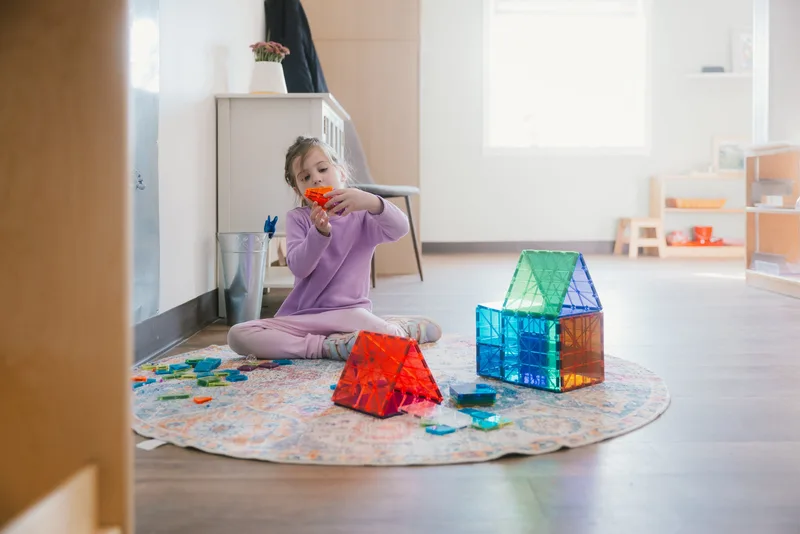
Magnetic building tiles are the undisputed heavyweight champions of the modern playroom. They’ve largely replaced the traditional block set because the "click" of a magnet provides immediate gratification and allows for structures that would be impossible with just gravity.
This is the baseline for the category. With a WISE score of 98/100, they are essentially the gold standard for quiet-time entertainment. They teach geometry and balance through failure—if the tower is too top-heavy, it falls, and the kid figures out why without a screen telling them the answer. The housing is incredibly durable; you are paying a premium for the safety of those magnets staying inside the plastic, which is the one place you don't want to skimp.
If your kid has already mastered the basics and wants to go bigger, Connetix Tiles are the power-user upgrade. They feature stronger magnets than the competition, which means builds can go taller and handle more complex curves. They also have a unique ball-run expansion that turns a static building set into a physics experiment. They’re fully compatible with Magna-Tiles, so you don’t have to pick a side in the magnetic tile wars.
While magnets make building easy, there’s something to be said for toys that force a kid to respect gravity. These are the "anti-LEGO" picks: no clicking, no specialized pieces, just balance and patience.
Every single KEVA Plank is identical. There are no "special" pieces to lose. This uniformity sounds boring to adults, but for a kid, it’s total freedom. A 5-year-old uses them to build a simple fence; a 12-year-old uses them to build a scale model of the Eiffel Tower. The only downside is the noise—when a massive KEVA tower collapses on a hardwood floor, it sounds like a demolition site.
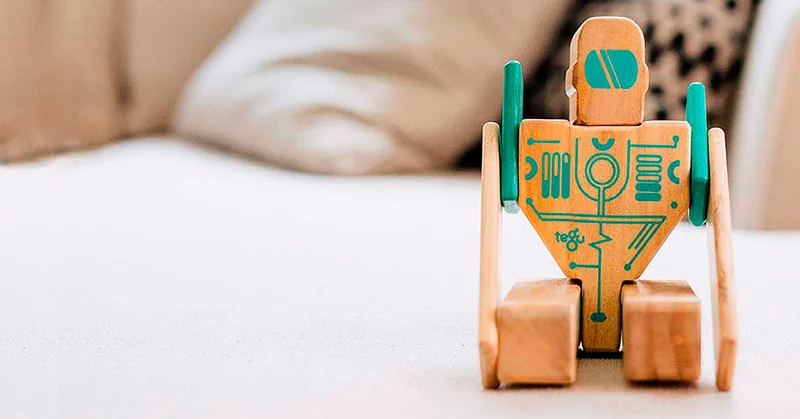
Tegu takes the classic wooden block and hides magnets inside. It’s a clever bridge between the tactile feel of wood and the structural possibilities of magnets. They are beautiful enough to live on a coffee table, and the "click-clack" sound is genuinely therapeutic. Note that they have polarity, meaning some sides repel each other. This can frustrate a toddler for about three minutes until they realize it’s a puzzle to solve, not a broken toy.
Not every building toy needs to be a square or a plank. Some of the best open-ended play comes from shapes that shouldn't work together but do.
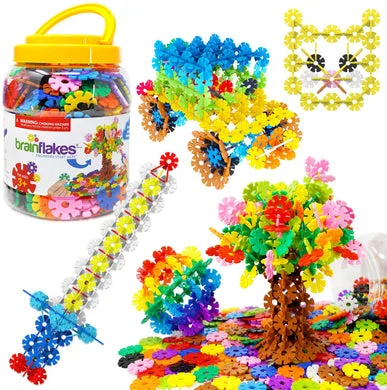
Brain Flakes are interlocking plastic discs that allow for organic, rounded shapes that blocks can't touch. They are the budget-friendly hero of the list—you can get a tub of 500 for a fraction of the cost of a large magnetic set. They require a bit more fine motor control than tiles, so they usually click for kids around age 4 or 5. Warning: they are the "glitter" of the building world; they will migrate into every corner of your house.
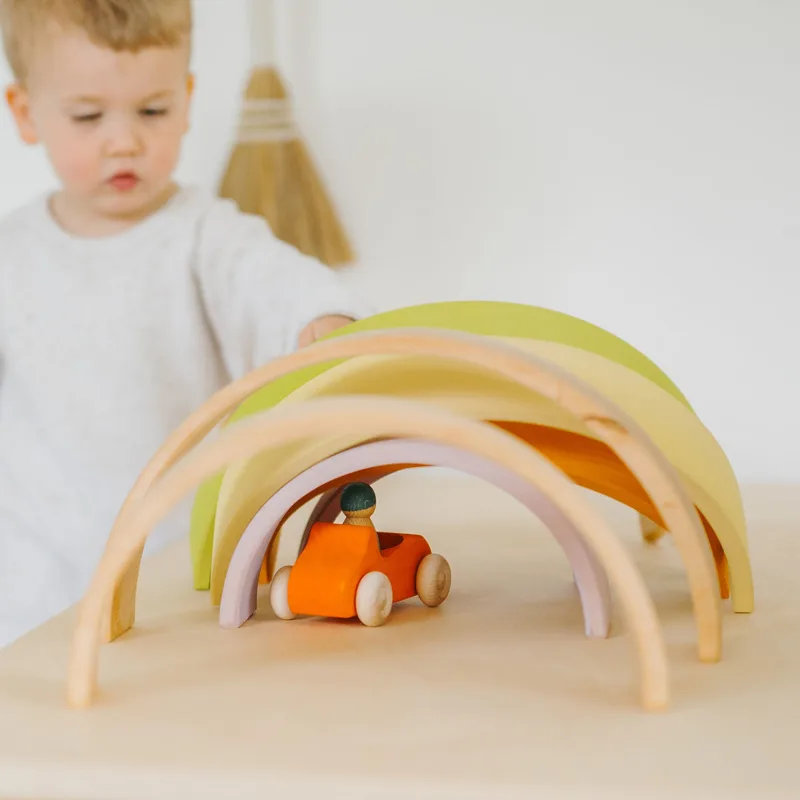
Grimm’s toys, specifically the large rainbow, are the darlings of the "minimalist playroom" movement for a reason. They aren't just blocks; they are tunnels, cradles, fences, and sculptures. The wood has a natural, grippy texture that makes stacking easier than the slick finish on cheap plastic toys. These are heirloom pieces you keep for decades, though you’ll pay for that German craftsmanship upfront.
The biggest friction point with open-ended toys isn't the play—it's the storage. Because these toys encourage "more is more" building, you will eventually end up with hundreds of pieces. Do not rely on the boxes they come in. Invest in dedicated, sturdy bins that a kid can actually carry.
For the magnetic toys (Magna-Tiles and Connetix Tiles), do a quick "crack check" once every few months. If a tile is stepped on and the plastic casing splits, toss it. Loose magnets are a genuine safety hazard, and while these brands are high-quality, nothing is invincible against a determined 8-year-old.
If you want to deepen the play, introduce a "challenge of the day" rather than just letting them sit with the bin.
- "Build a bridge that can hold this heavy book."
- "Build a house that only uses blue and yellow pieces."
- "Build something that looks like an animal nobody has ever seen before."
Q: Are Magna-Tiles worth the high price tag compared to knock-offs? Yes, mostly for safety and durability. The name-brand tiles use sonic welding and rivets to keep the magnets secured. Cheap versions often use glue, which can fail if the tile is dropped or stepped on, creating a major safety risk.
Q: Can you mix Connetix and Magna-Tiles? Yes. They are the same size and the magnets generally align well enough for shared builds. Connetix Tiles have slightly stronger magnets, so use those for the base of your taller towers.
Q: What is the best age to start with open-ended building toys? Three is the sweet spot. Before age three, kids mostly enjoy knocking things down. Around three, the motor skills and imagination align, and they start building with intent. Toys like Grimm’s can start even earlier as simple stackers.
Q: How many pieces do I actually need for a good set? For one child, 100 magnetic tiles or 200 KEVA Planks is the minimum to build anything substantial. If you have multiple kids, double it, or prepare for some very intense negotiations over the "square" pieces.
Open-ended toys are the ultimate antidote to the "I'm bored" cycle. They don't entertain the kid; they give the kid the tools to entertain themselves. If you're looking to build a collection, start with our digital guide for preschoolers or our digital guide for elementary school to see how these toys fit into a broader media and play diet.
- Check out the full best apps for kids list for digital equivalents of these sandbox experiences.
- Get help picking the right building set for your kid's age