

Most "classics" are just books people feel guilty about throwing away. They sit on the shelf gathering dust because they're "important," but when you actually try to read them to a modern kid, they're dry, preachy, or just plain boring. The books on this list are the exceptions. They survive because they don't talk down to kids, they don't rely on flashy gimmicks, and they handle the big stuff—grief, anxiety, and the sheer absurdity of life—with better prose than most adult novels.
If you want books that bridge the gap between your childhood and theirs, start with the E.B. White collection for big-hearted storytelling or Frog and Toad for relatable, low-stakes friendship drama. These aren't just "good for you" reads; they're high-WISE, zero-brain-rot staples that build language comprehension while being genuinely entertaining for both of you.
These are the stories that stay with you for decades. They aren't afraid to get a little messy or a little sad, which is exactly why they land.
This is the holy trinity of children's lit. White was a master of prose who used precise, beautiful language that assumes your kid is smart enough to keep up.
- The Vibe: Emotional intelligence 101. Whether it’s Wilbur dealing with mortality or Stuart Little navigating a world that isn't built for him, these books tackle identity and disability without being "after-school special" about it.
- The Catch: "The Big Sad" is real. Charlotte dies. It’s handled beautifully, but if your household is currently grieving a pet, maybe give it a beat. Also, Stuart Little has a notoriously picaresque, open ending that can frustrate kids who are used to the tidy resolutions of a Marvel movie.
Pooh is the ultimate slow-parenting hack. These stories are gentle, witty, and surprisingly deep. If you’re going the audio route, the 2013 cast (featuring Stephen Fry and Judi Dench) is basically the Avengers of British acting.
- The Vibe: Low-octane and high-vocabulary. It’s a great way to build a kid's "narrative ear" without them feeling like they're in a lesson.
- The Catch: Eeyore is canonically depressed. It’s handled with love and inclusion, but it’s a character type that might spark some interesting questions. Also, the pacing is the opposite of a YouTube edit—it requires a "downshift" into a slower gear.
When you want something that mirrors the social dynamics of a kindergarten playground, these are the gold standard.
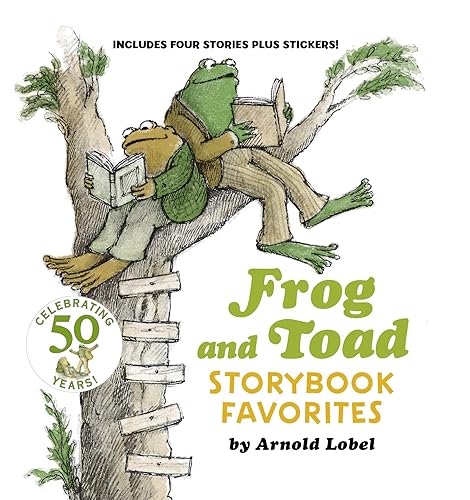
The ultimate odd-couple bromance. Frog is the patient optimist; Toad is the neurotic, cookie-obsessed pessimist.
- The Vibe: Dry, understated humor that actually makes adults laugh. It’s perfect for kids who struggle with "Toad moods"—those days when you just want to stay in bed and be grumpy.
- The Catch: It’s meditative. If your kid is currently vibrating at a ten, the story about waiting for a letter might not be the right move. Save this for the wind-down before bed.
Sometimes the "hype" is about the technical skill of the creator—the way the words feel in your mouth or the way the art tells the story.
This is a linguistic obstacle course. It turns reading into a performance art where you, the parent, are the one likely to mess up, which kids find hilarious.
- The Vibe: Pure phonics disguised as a game. It keeps even the most distractible kids locked in because they want to see if you’ll stumble over "tweetle beetle bottle battles."
- The Catch: Parental burnout. Reading this three times in a row will make your jaw ache. Also, Mr. Knox gets genuinely frustrated by the end, which is a very relatable depiction of losing your cool when someone won't stop pestering you.
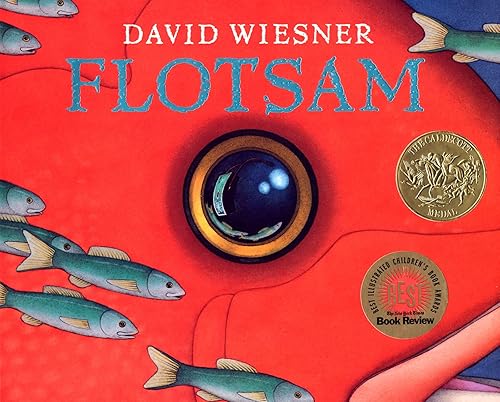
A wordless masterpiece. A boy finds an old underwater camera at the beach, and the developed photos reveal a surreal, impossible world beneath the waves.
- The Vibe: Visual literacy. Because there are no words, your kid has to "read" the pictures and tell you the story. It sparks massive curiosity about ocean life and photography.
- The Catch: This isn't a "sit back and listen" book. You have to engage. If you’re too tired to talk through the panels, save it for a day when you have more bandwidth.
The best way to handle these classics is to do them with them. Don't just hand them a copy of Charlotte's Web and walk away. Read a chapter a night. Talk about why Toad is being such a grump about his lost button.
These books build the "language comprehension" strand of the Reading Rope—they teach kids how stories work, how characters grow, and how to use sophisticated words in context. Even if your kid is a great solo reader, there is huge value in the shared experience of a classic.
The biggest hurdle for modern kids is the pacing. We live in an era of high-engagement algorithms designed to maximize "feeling" every few seconds. Classics like Winnie-the-Pooh or Frog and Toad operate at a different speed.
The Pro-Tip: If your kid is resisting the "slow" pace, try the audiobook first. Let them color or play with LEGO while they listen. It takes the pressure off the "reading" and lets the storytelling do the work.
Q: Are these books too slow for kids used to YouTube and video games? They can be, initially. The move is to treat them as a "downshift" activity—something for right before bed or a rainy afternoon. Once a kid gets hooked on the characters (like the grumpy Toad or the witty Pooh), the pacing matters less.
Q: What is the best age to start reading these aloud? The sweet spot is ages 4 to 8. Preschoolers love the rhythm of Dr. Seuss and the simplicity of Frog and Toad. By 1st or 2nd grade, they can handle the longer chapters and bigger emotions of E.B. White.
Q: Do wordless books like Flotsam actually count as "reading"? Absolutely. In the Screenwise view, literacy is multi-stranded. Wordless books build visual literacy, narrative structure, and vocabulary as kids describe what they see. It's genuine literacy practice.
Q: Is Charlotte's Web too sad for a sensitive 5-year-old? It’s sad, but it’s "safe" sad. It’s an honest, beautiful look at the cycle of life. If you’re worried, read it yourself first to see how you want to frame the ending, but don't skip it just because it's emotional. Those are the stories that stick.
These books aren't classics because they're old; they're classics because they're good. They respect the kid's intelligence and the parent's patience. If you're tired of the "brain rot" of modern tie-in books, these are the perfect antidote.
- Check out our best books for kids list for more age-specific picks.
- If your kid is in that 5-10 range, dive into our digital guide for elementary school.
- Get help picking a next book series