





The most effective books about daily routines do one of two things: they either put an overstimulated toddler to sleep on contact, or they turn a grinding domestic chore into an amusing ritual rather than a lecture. When a story tries too hard to teach a lesson about brushing teeth or saying please, kids tune out before page three. The titles on this list work because they give children clear mirrors for their own resistance, concrete visual models of how a day fits together, and language parents can borrow when 7:30 pm goes sideways.
To build calm evening habits and predictable days, start with Time for Bed for sensory wind-down or Llama Llama Red Pajama to address nighttime separation anxiety. For cleaning and table manners, use Maisy Cleans Up with younger preschoolers and The Berenstain Bears and the Messy Room when you need an actual organizational plan involving labeled storage boxes.
Bedtime books fail when they introduce an exciting adventure right when heart rates need to drop. The three bedtime titles here serve completely different steps in the evening progression.
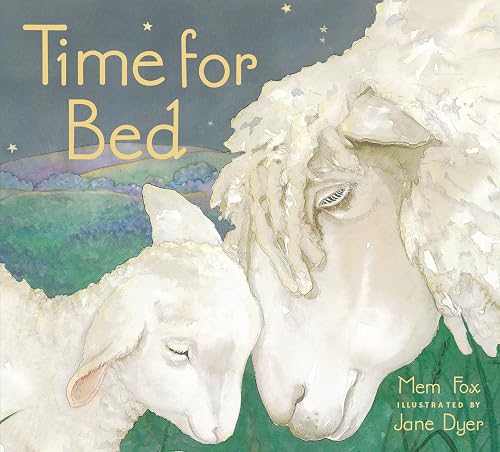
Mem Fox wrote the picture-book equivalent of warm milk. The text is rhythmic, repetitive, and intentionally low-conflict: baby animals cuddle with their mothers and drift off. The soft watercolors by Jane Dyer do heavy lifting for sensory regulation. If a child wants an engaging narrative with high stakes, this will bore them, which is precisely why it belongs at the very end of the night when the lights are dimmed.
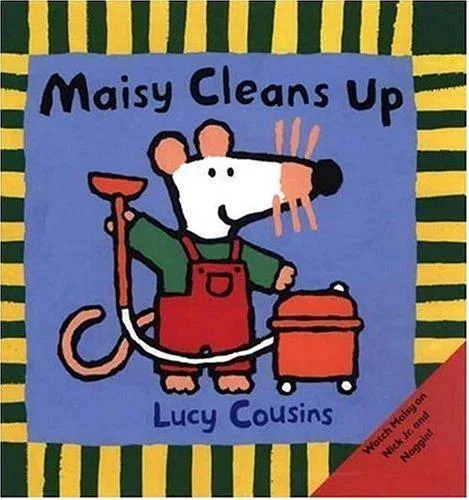
Lucy Cousins' signature thick outlines and primary gouache colors keep young toddlers locked onto the sequence of actions. Maisy washes her face, brushes her teeth, puts on pajamas, and uses the toilet. There is zero subtext here. It works because toddlers thrive on predictability, and seeing a cheerful mouse execute the exact routine they face every night turns boring hygiene steps into a standard operating procedure.
Where Mem Fox soothes and Maisy systematizes, Anna Dewdney tackles the emotional friction point: separation anxiety. Baby Llama's sudden panic when Mama is in the kitchen washing dishes mirrors the genuine terror young kids feel when the bedroom door closes. Mama arrives, sets a firm boundary without punishment, and reminds him that she is always near even when she is out of sight. It gives parents an instant shorthand phrase ("Mama Llama is always near, even if she's not right here") that diffuses bedtime calls from the hallway.
Telling a four-year-old to clean their room fails because "clean" is an abstract concept that looks like an insurmountable pile of plastic. These two books approach the mess from opposite developmental stages.
For the 2-to-4 crowd, cleaning must be social. Maisy and Charley divide and conquer the clutter with mops, dusters, and a vacuum, treating the mess as a shared game rather than a penalty. The language is simple, the actions are distinct, and it ends with a snack. Use this book when introducing the idea that putting things in a basket is an activity people do side by side.
Stan and Jan Berenstain capture the slow-building domestic explosion that every household recognizes. Mama Bear eventually snaps over the clutter, Papa Bear helps cool the room down, and the family brings in an organizational system with labeled bins, pegs, and dedicated boxes. The 1983 family dynamics are dated, but the intervention itself is brilliant: it shows children that a room stays clean because every item has a physical address, not because an adult yelled.
Lecturing about manners usually produces defiance or rote, hollow compliance. Stories that show characters making awkward blunders give kids a way to examine the behavior without feeling accused.
Mercer Mayer's scruffy protagonist works because he is imperfect. He forgets his "pleases," drops things, talks with his mouth full, and stumbles through his day. Kids laugh at the chaos and spot his mistakes before the narrator states them. It disarms the topic of politeness by treating social blunders as everyday errors you correct on the fly, rather than moral failings.
When the cubs (and Papa) slip into a habit of door-slamming and grunting, Mama Bear installs the "Politeness Plan"—a visual chart on the wall with clear chore-based penalties for rudeness. It leans into mid-80s direct instruction, but preschoolers find the visual structure fascinating. If your household is dealing with an outbreak of back-talk or aggressive demands, this book provides a blueprint for making courtesy visible and objective.
Habits extend beyond sleeping and tidying; they also shape how children view their plates and the wider world.
Lois Ehlert avoids storytelling entirely, presenting a visual dictionary of fruits and vegetables from apricot to zucchini. The collage illustrations make produce look vivid and intriguing. Beyond teaching letters to preschoolers, it works as low-pressure food exposure: kids can point to plums, figs, and jicama, discussing colors and textures away from the dinner table where the pressure to actually swallow them is off.
Matt Lamothe tracks real children across Japan, Uganda, Italy, India, Iran, Peru, and Russia through a single 24-hour cycle. Readers see what each kid eats for breakfast, how they travel to school, where they play, and where they sleep. For older preschoolers and elementary kids (ages 4 to 8), it expands the idea of a "routine" into a universal human experience. Daily habits are shared by everyone on the planet, even if breakfast in Peru looks different from breakfast in Rome.
A common trap with habit books is reading high-conflict titles right as lights go out. Reading The Berenstain Bears and the Messy Room or The Berenstain Bears Forget Their Manners right before bed can backfire; they are full of dialogue, family arguments, and detailed visuals that invite debate.
Keep the longer, instructional books for afternoon couch reading or weekend mornings when you plan to tackle chores together. Reserve the final slot before sleep for strictly rhythmic, hypnotic texts like Time for Bed.
Q: At what age should I introduce books about routines and chores?
Start around 18 months to 2 years with simple visual books like Maisy's Bedtime and Maisy Cleans Up. Toddlers at this age grasp sequential images and love mimicking characters who brush teeth or put toys in boxes.
Q: Does reading Llama Llama Red Pajama make bedtime tantrums worse?
The rhyming rhythm and validation of fear help most kids, but if your child starts copying Baby Llama's foot-stomping theatrics, pause on the drama page and focus your discussion on the resolution where Mama returns calmly to offer reassurance.
Q: Which book is best for an older preschooler who hates cleaning up?
The Berenstain Bears and the Messy Room fits kids ages 3 to 6 best because it offers a concrete solution: labeling bins and giving every toy an assigned home, turning clutter management into a puzzle instead of a vague demand.
To build out the rest of your home reading routines, explore these Screenwise resources:
- For age-by-age literary picks that build vocabulary and attention spans, check our best books for kids list.
- If your kid is between 3 and 5 years old, consult our digital guide for preschoolers for balanced screen and play rhythms.
- Moving into school-age routines? Review our digital guide for elementary school.
- Need calm audio stories for quiet rest times? Find soothing bedtime audiobooks for your preschooler
 .
.