

Bilingual reading isn't about flashcards or vocabulary drills—it’s about making Spanish a natural part of the "snuggled up on the couch" routine so the language feels like home, not a chore.
TL;DR: The best bilingual books bridge the gap between "learning a language" and "loving a story." Start with Indestructibles: Bebé, vamos a comer! for the "everything goes in the mouth" phase, use the rhythmic Huevos verdes con jamón to build phonics confidence, and save El Principito for the big-kid transition into philosophical territory.
When you’re starting with a baby or a toddler, the "literacy" you’re building is mostly about positive associations and not destroying the library. You want books that survive the chaos.
Indestructibles: Bebé, vamos a comer! / Baby, Let's Eat! is the ultimate low-stakes entry point. It’s paper-thin but chew-proof and washable. There’s no plot to follow, which is a feature, not a bug—you’re just pointing at pictures of food and saying the words in both languages. It’s the perfect high-chair distraction.
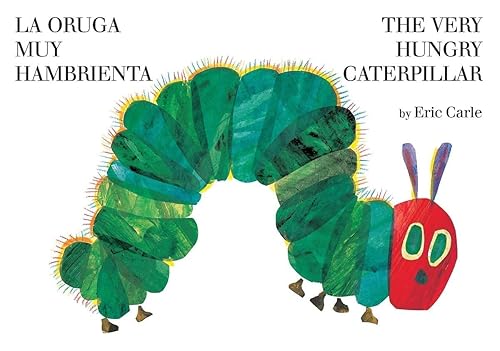
Once they stop trying to eat the pages, you move to the heavy hitters. You have two choices for the gluttonous larva:
- La Oruga Muy Hambrienta (Spanish Edition) is Spanish-only. This is the one to pick if you want full immersion or if you already know the English story by heart and don’t need the crutch.
- La oruga muy hambrienta / The Very Hungry Caterpillar (Bilingual Edition) gives you the side-by-side text.
The bilingual side-by-side version is usually the better call for parents who are also brushing up on their Spanish. It lets you toggle back and forth without losing the flow of the story. Plus, the physical holes in the pages are basically the original fidget toy—it keeps their hands busy while their brains soak up the difference between "apple" and "manzana."
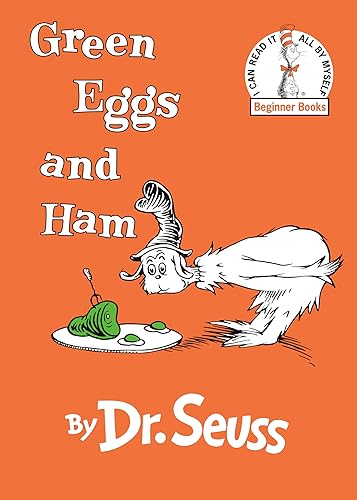
Spanish is a rhythmic, phonetic language, which makes it a perfect match for the Dr. Seuss style.
Huevos verdes con jamón (Green Eggs and Ham Spanish Edition) is a masterclass in translation. The translator didn't just swap words; they kept the meter and the rhyme. "Sam-I-Am" becomes "Juan Ramón," and the persistence of the character remains just as annoying/endearing in Spanish.
This is where the Reading Rope concept really shines. Even if your kid can’t decode the Spanish words on the page yet, listening to you read this aloud builds their language comprehension and syntax. They start to hear how the language is structured. For early readers, the repetition in this book builds massive confidence—they can predict the next line, which makes them feel like they’re "reading" in Spanish long before they’ve mastered the grammar.
Eventually, you graduate from "The cat is on the mat" to "What is the meaning of life?" That’s where El Principito / The Little Prince comes in.
This isn't a "learn to read" book; it’s a "learn to think" book. The Spanish translation is lyrical and stays true to the melancholy, whimsical vibe of the original. It’s a perfect bridge for kids aged 7 to 10 who are moving into more abstract stories.
Watch out for: The ending is bittersweet. If your kid is sensitive to themes of loss, you’ll want to read this one with them. It’s a great opportunity to talk about the idea that "the essential is invisible to the eyes." It’s one of those rare books that grows with the kid—they’ll get one thing out of it at age 8 and something completely different at 14.
The move here is co-engagement. Don't just hand these books to your kid and hope they become bilingual by osmosis.
- Read the English version first. If they already know the story of the Caterpillar or the Green Eggs, their brains don't have to work as hard to follow the plot in Spanish. They can focus on the new words because the "mental map" of the story is already there.
- Audio counts. If your Spanish is rusty and you're worried about your accent, find an audiobook version or a YouTube read-aloud. Listening to a native speaker helps with the "language comprehension" strand of literacy while you follow along with the physical book.
- Make it a "no-pressure" zone. If they want to switch back to English halfway through, let them. The goal is to keep the Spanish association positive.

Q: What age should I start reading bilingual books to my kid? Start on day one. Babies don't care what language you're speaking; they just like the sound of your voice. Books like Indestructibles are perfect for the newborn-to-toddler stage because they focus on simple vocabulary and sensory play.
Q: Is it better to get "Spanish-only" or "Side-by-Side" bilingual books? It depends on your own fluency. Side-by-side books are great for parents who are also learning because they provide an immediate safety net. Spanish-only books are better for "full immersion" if you're comfortable enough to translate on the fly or if the kid already knows the story.
Q: Will reading in two languages confuse my child? No. Research shows that kids are incredibly good at "code-switching." They might mix words occasionally when they're little, but that's a sign of a growing vocabulary, not confusion. It actually builds better cognitive flexibility in the long run.
Bilingual books are a low-stress way to introduce a second language without making it feel like school. Start with the durable stuff, lean into the rhythmic classics, and don't be afraid to tackle the deeper stories as they get older. If you're looking for more ways to build a reader, check out our best books for kids list or our digital guide for preschoolers.