




The best first books for babies aren't just stories—they’re sensory objects, teething toys, and rhythm exercises that happen to have pages. At the 0–2 stage, a book’s success is measured by two things: whether it can survive being submerged in a bowl of oatmeal and whether you can stand reading it for the 400th time without losing your mind.
For the 0–2 crowd, prioritize durability and rhythm over complex plots. Start with the Indestructibles series for the "everything goes in the mouth" phase, then move to Sandra Boynton’s classics for humor and language development. These picks focus on high-contrast art, repetitive text, and interactive elements that build the language-comprehension strands of literacy long before a kid can decode a single word.
Between six and eighteen months, your kid isn't "reading" so much as they are conducting a structural stress test on every piece of cardboard in the house. This is where most standard picture books go to die.
If you’re tired of picking soggy bits of paper out of a toddler’s mouth, Indestructibles: Bebé, vamos a comer! / Baby, Let's Eat! is the solution. These aren't board books; they’re made of a paper-like material that is rip-proof, chew-proof, and—crucially—washable. You can throw them in the dishwasher or the tub. There’s no plot here, just vocabulary and high-contrast images, but as a "first media" experience, it’s unbeatable for kids who treat books like snacks.
For a more traditional feel that still holds up to a beating, the Boynton's Greatest Hits Boxed Set is the gold standard. Board books are the "training wheels" of the library—thick enough for clumsy hands to turn and sturdy enough to survive a drop from a high chair.
Early literacy isn't about memorizing letters; it’s about language comprehension. When you read a book with a predictable, rhythmic "hook," you’re helping your kid’s brain learn to predict what comes next.
Brown Bear, Brown Bear, What Do You See? / Oso pardo, oso pardo, ¿qué ves ahí? is the GOAT for a reason. The question-and-answer structure is a masterclass in building narrative expectations. The bilingual edition adds an extra layer of brain-building, exposing them to the sounds of a second language while they’re still in the "universal listener" phase of infancy.
Then there’s Blue Hat, Green Hat. This is essentially a toddler’s first experience with "cringe comedy." The repetitive structure—three animals getting it right, one turkey getting it hilariously wrong—is the exact kind of humor that lands for an eighteen-month-old. It teaches colors and clothing, sure, but the real win is the "Oops!" on every other page that begs for a call-and-response.
As kids move toward age two, they want to influence the world around them. You don't need a tablet to give them an interactive experience; you just need clever paper engineering.
Mix It Up! is a "touchscreen" made of cardboard. It asks the kid to tap, rub, and shake the book to "mix" colors. It’s a mess-free way to teach primary and secondary colors while leaning into a toddler's natural urge to poke everything they see. It proves that "interactive" is a mindset, not a hardware spec.
Similarly, Tap the Magic Tree uses the same "if/then" logic. Tap the tree, turn the page, and see the leaves change. It’s a beautiful way to introduce the concept of seasons and cause-and-effect. For kids who struggle to sit still for a standard story, giving them a "job" on every page keeps them engaged with the physical object of the book.
The move here is co-engagement. Reading to a baby isn't a passive activity; it’s a conversation.
- Narrate the "Oops": In Blue Hat, Green Hat, pause before the turkey’s mistake. Let your kid fill in the "Oops!" It’s their first step toward understanding story structure.
- The "Paper App" Protocol: When using Tap the Magic Tree, exaggerate the actions. Blow a big gust of wind at the page to "make the leaves fall." It turns reading into a full-body experience.
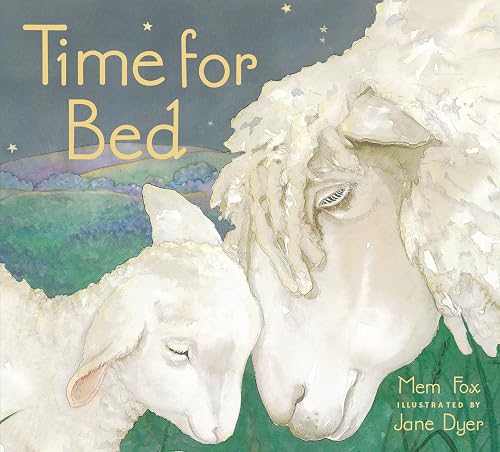
- Audio and Literacy: Don't forget that listening is reading. Even if they're just playing on the floor while you read The Going to Bed Book aloud, you’re building the vocabulary and syntax strands of their literacy rope.
Q: When should I start reading to my baby? Immediately. Even if they’re just staring at the high-contrast art in Brown Bear, they are soaking up the cadence of your voice and the structure of language. There is no "too early."
Q: My kid just wants to chew on the books. Is that okay? It’s normal. To a baby, a book is just another object to explore with their mouth. Stick to Indestructibles or sturdy board books during this phase so you don't have to worry about them swallowing paper or destroying the library.
Q: Are board books better than regular picture books? For the 0–2 age range, yes. Board books are designed for the "destroyer" phase of development. They’re easier for small hands to manipulate, which builds fine motor skills and a sense of agency. Save the thin-paper picture books for age 3 or 4.
Q: Is it okay to read the same book every night? It’s actually better than okay—it’s essential. Toddlers crave repetition because it helps them master the material. When they know exactly what the turkey is going to do in Blue Hat, Green Hat, they feel smart and in control.
At this age, books are toys that talk. Focus on durability and "read-aloud-ability." If you enjoy the rhythm of Sandra Boynton, your kid will too.
- Check out our digital guide for preschoolers for the next stage of the journey.
- Explore the full best books for kids list for age-by-age recommendations.
- Get help picking a next book series