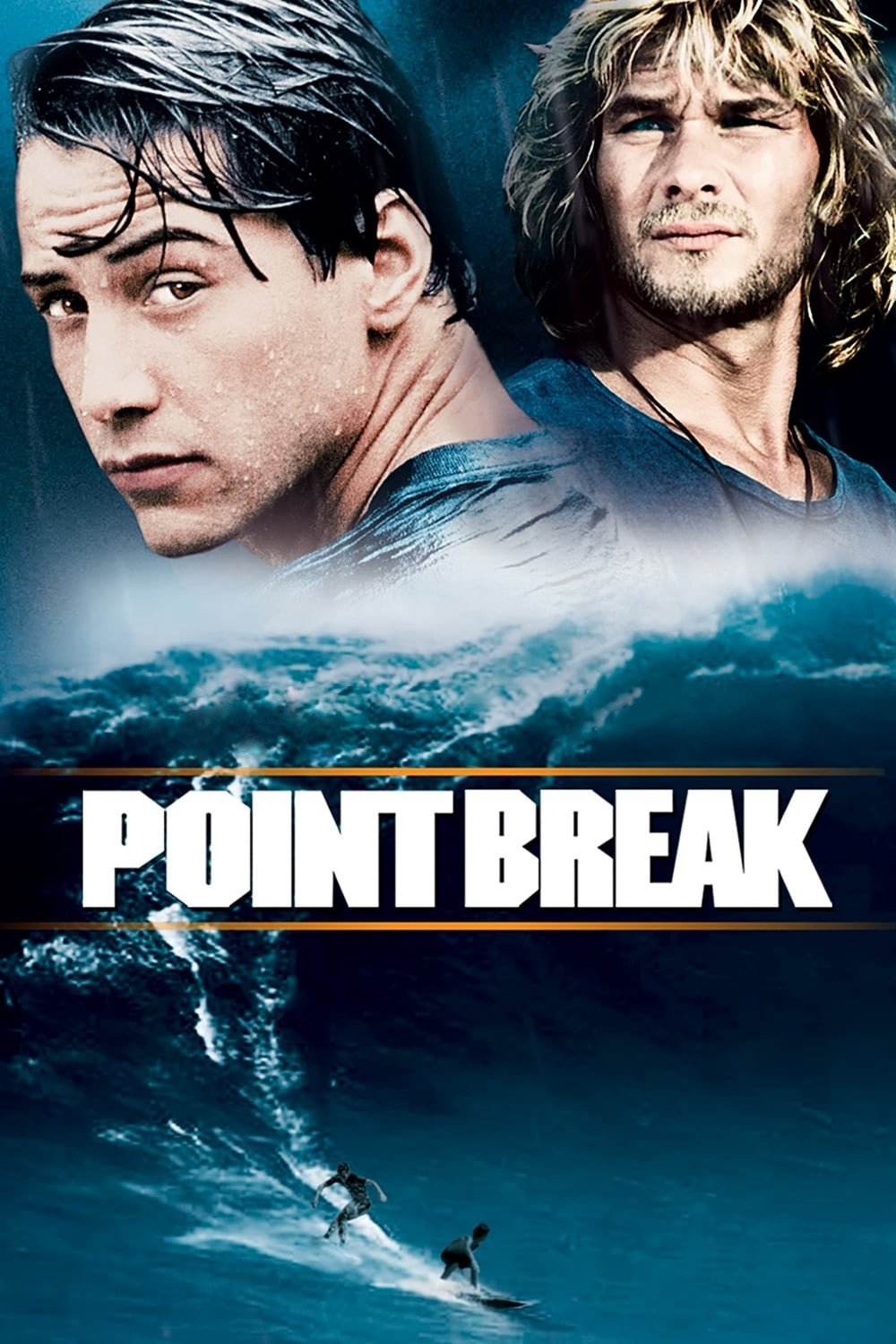
The 90s were a pivot point for action movies. We were moving away from the invincible, cartoonish muscle-men of the 80s toward something more textured. Point Break is the blueprint for that shift. It’s the movie that essentially invented the "undercover cop gets too close to the target" trope that The Fast and the Furious would later ride to a billion-dollar franchise. If your teen is obsessed with Dom Toretto’s "family" speeches, they need to see where that DNA actually started—just replace the street racing with big-wave surfing.
The "Real" Factor
We live in an era of green-screen fatigue. When you watch a modern blockbuster, your brain knows the actors are likely standing in a parking lot in Atlanta. In Point Break, when you see people jumping out of planes or getting absolutely wrecked by a massive wave, it’s tangible. The director made the cast actually learn the sports, and that commitment translates to the screen.
It creates a level of tension that CGI just can't replicate. If you're trying to explain the difference between "content" and "cinema" to a kid who grew up on Marvel, this is a top-tier exhibit. The stunts aren't just there to look cool; they feel like they have consequences.
The Bodhi Problem
Patrick Swayze’s Bodhi isn't a typical villain. He’s a charismatic philosopher-king who happens to rob banks to fund his "spiritual" pursuit of the ultimate ride. This is where the movie gets interesting for a family discussion. It’s easy to spot a bad guy when they're wearing a Reagan or Nixon mask, but it’s harder to reconcile that with a guy who talks about the "human spirit" and living life to the fullest.
The movie doesn't give you an easy out. Johnny Utah (Keanu Reeves) is technically the hero, but he’s also a "quarterback punk" who gets seduced by the very lifestyle he’s supposed to dismantle. It’s a great way to talk about how people can be both inspiring and destructive at the same time.
Is the "R" a Dealbreaker?
The R-rating is a product of its time—mostly frequent language and some visceral, messy violence during the "Ex-Presidents" heists. It’s not the stylized, bloodless violence of a PG-13 superhero movie; it’s meant to feel dangerous.
If you’re on the fence about whether your kid is ready for the intensity, check out our parent's guide to Point Break for a more granular breakdown of the friction points. If they’ve seen modern action hits or gritty crime dramas, they can likely handle the action here, but the philosophical weight and the 90s grit make it a much "older" experience. It’s a movie that demands you pay attention to the subtext, not just the explosions.